- Look around! Countless insects are flying
- And still follow honey trails as before,
- But too many subtle signs are implying
-
That the anymore.
- Not by chance, on mornings of amber,
- More translucent than the skin of the moon,
- , after hot-weather slumber,
-
Flies to find a new wife very soon.
- At the market—hurly-burly, slashed prices.
- ? We have them. So sweet!
- And if you are a bird, a few slices
-
Of you’ll eat.
- Childhood is sadness itself. There, in the wastes,
- Grandkids search for ,
- Cabbage whites and they chase
-
And they sing an :
- When, alas, our grandma will die,
- We will lay her to rest, dust to dust,
- So
-
When a hundred or a thousand years pass.
- Nothing’s changed in the yard’s verdant thicket,
- Only , not , bloom now.
- More haphazard are the chirps of the .
-
And the hammock? No one’s weighing it down.
- and give us an impression
- That they flaunt the hue of their bugs,
- While a cohort of young in session
- Red in the cooper’s yard chugs.
Note II
Preparation of Cartridges
- 1
- I strolled the other day
- In the forest of .
- The sand of its trails,
- Its needle and its leaf,
- Including —
- Everything was dry.
- And I was mad that I
- Was foolish to put on
- These of mine
-
And a slicker too.
- So now, more mindful, I,
- Getting ready to go,
- Retired both the waders and the .
- Then sunshine rain caught me on my way—
- I ran and tried to hide;
-
When I came home, I shook all over.
- My kept scolding: Serves you right,
- I warned you—legs are throbbing—but you
- Preferred to —
- You banned the , discarded the .
-
Oh, daydreamer, she went on, oh, hothead.
- 2
- You have a magic box!
- In it you keep all things
- Needed for hunting with a rifle.
- So with no further words
- Open it; from inside
- Take out some ,
- And also a few
- Invented by the late Monsieur .
- And in these
- Thrust these Gévelot
- And sprinkle powder there.
-
Go, fellow!
- Using a thick sack cut into small lots,
- Or worn felt , or ,
- Insert a ; follow with some shot;
-
And then another plug securely jam in.
- is sitting headless on a chair.
- My dear field marshal, it seems you’re not well.
- The gentleman became slightly wrinkled.
- Who dared to do this? Maybe
-
Swung his sharp from beyond ?
- is sitting stately on the chair,
- The sizes of the shot are six and five,
-
The shells’ caliber is also twenty-two.
- My powder’s smoky like ,
- And of old age astonished my forehead,
- The tick-tocks, imagining one thing,
-
Imagining the other, imagining something.
- My asleep, chock-full of .
-
Well, may she dream of my love for her.
- And I—of hunting.
Note III
The Time Between
- Is good for a chat soul to soul.
- Though the lunch isn’t lavish at all,
- You’ll be able to talk round and round
-
With both, the wolf and the .
- It’s good that near the ,
- Sitting on a branch of ,
- The with great glee
- And repeats on and on:
-
How good I feel by the pond.
- A mournfully brays
- From the thirty-and-four.
- The vistas can’t be bare any more.
- The store is closed for a day.
-
Boredom. The still brays.
- A jug dripped a drop on the plate,
- The .
- But really, can anyone tell
- ?
-
It dripped again on the plate.
- You’ll be able to talk round and round,
- Of course, if the topic is right.
- If it’s not, have a good night:
- Evening drags, as if spellbound,
- After the wolf and the hound.
Note IV
(A Conversation with a Critic)
- Don’t sleep on the ground—you’ll get weary,
- !
- Scat, my carper, stop nagging, you’re dreary!
- I am dreaming that a valiant
- Gave me that used to be fairer,
-
And they need to be sharpened—they’re dull.
- ,
- And the masses can notice much easier
- The appearance, let’s not say: of a ,
- But correctly, let’s say: of the
-
Who is cranking his grinding flint stone?
- You bet. But what, one may ponder,
- The sound of the loud grind
- Resembles at this moment of wonder?
- It sounds like someone is crunching
- The old chicken bone you were munching,
-
But then left it, unfinished, behind.
- Enlightenment’s reins briefly dropping,
- In a and , ,
- The folk , all in motion,
- Across a steep gully is hopping,
- Comparing, full of emotions,
-
The grinding to the sound of a stream.
- It’s taxing.
- But the is bothered not
- By the fact he doesn’t have access
- To dull , or sickles, or axes,
- But because nobody asks him:
-
.
- At the moment, the grinder figure,
- A dullard, a dolt, round the bend,
- Upset that he’s not a ,
- A builder, a tinker, a baker,
- A light carrier or a toy maker,
-
.
- That’s life: By the ,
- Which, in winter, has a rink at its gate,
- The approaches the lame,
- Or rather, gnome,
- , , and tame,
-
And keeps honing his lone figure skate.
- Just look—and , heed this lesson:
- Someone’s grief is not a true grief.
- Even more, ’cause no one can lessen
- Pains of those whom fate so distresses
- That the can’t impress them,
-
Hence, no deluge can bring them relief.
- Darkness falls. Irked by fate’s treason,
- Like a hungry would do,
- Stalks the verb-herd servile and sleazy,
- But—sees no rhyme and no reason,
- And the actual herd—is gone too.
Note V
- Is it really October? Such
- That if not for the rustling of leaf fall,
- One could simply forget about everything
- And for hours stare into .
-
And smell .
- But one has to , to act, to go on,
- Worry about the presence of kindling,
- One has to new ,
-
Stockpile mushrooms and go hunting.
-
Inasmuch as winter is certain.
- Carelessly showing the white of face,
- Here I am; I’d like to listen to the .
- Go on, rattle, , my dear hooting whoop,
-
Tiny toy, trifle, trinket, true treasure.
- Who knows where and for what reason
- Someone with a roams the copses;
- Scarletberry, snakeberry, solanum.
- With a glow of ,
- Fragments of vulgar phrases,
- ,
- And with the
- Resembling the call,
- Approaches a gaggle of .
- It’s beginning.
Note VI
(Recollection of the City)
- One day in the old city park,
- ,
- But for whom, she was still in the dark.
- Among the musicians, excited,
- A spun around,
- And for he invited
- The lady to a quaint .
- is a wonderful dance,
- Because it’s so easy to learn:
- Two steps back, then two to advance,
- Turn around, and repeat all again.
- In the evening, when all dancers vanished,
- He became her friend and her crush.
- He appeared to her to be ,
- .
- Next day, at the quay, she was musing:
- Should she ask for a farewell encore?
- In the old city park music
- From that morning sounded no more.
Note VII
Postal Chores in the Month of
- .
- The first—off trees, the other—southbound.
- Soon, on warm mittens we’ll be relying
-
So our hands can be safe and sound.
- Yet ere the frosts and blizzards commence,
- To orphan winter prelude in light gray,
- ,
-
Devoted brother of .
- In this connection, letters—piles of them,
- And telegrams—ready for this day,
- Have to be sent. Just two words: I am.
-
To all addresses. And without delay.
- Have to be sent,
- Can still be seen and we’re still not late.
- I am—before people light their fires,
-
Before the cities finally lock their gates.
- Have to be sent. Where’s the ink for my ?
- Perhaps the sucked it up dry?
- I am! And to the , to :
-
?—asking for their advice—Am I?
- Have to be sent, with a short note—urgent,
- By a swift or by the ,
-
Pounded like cutlets, leaving none to spare.
- That’s what I chose and, whacked by asthma,
- Went to the cellar, for a swig down there.
- And when I crawled out, pleasantly ,
- A flashed in the air.
Note VIII
Insomnia
- There’s no sleep in either eye
- (The chemist’s right, alas—years fly),
- But who would need it anyway,
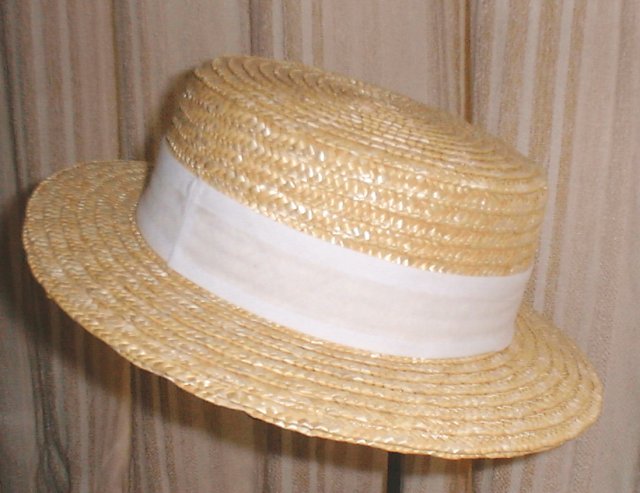
- With a velveteen ribbon around its ,
- And with a bit of a tilt?
-
At the first sight—just a sieve.
- I see it all as if it were now:
- ,
- Caressed this and that,
- And then, out of the blue
- A hat with a tilt floated up;
-
Such a dashing .
- Thin fog stole out from the stream,
- A slithered into the to sleep.
- .
- I figured: That’s who needed a sieve!
- Only, I thought, why with a tilt?
-
And a stood in the .
- I wiped my monocle and put it on—
- My goodness, it’s only a . . .
- The burst out from the —frrr!
- Thinking about it, just how many years
- Flowed ever since into the sieve with a tilt?
- Alas, the chemist is quite right, oh my.
As If One Salted . . .
- Some mornings, when your boredom rages,
- It seems you’re waiting for some tip.
- Either you skim through pages
-
Or volume dully flip.
- The hunt no longer seems arresting.
- Your whipper-in does not take down
- The horn and harness idly resting.
-
And in sadness drown.
- And you’re so glum, as one may gather,
- That faithful ale can’t make life right.
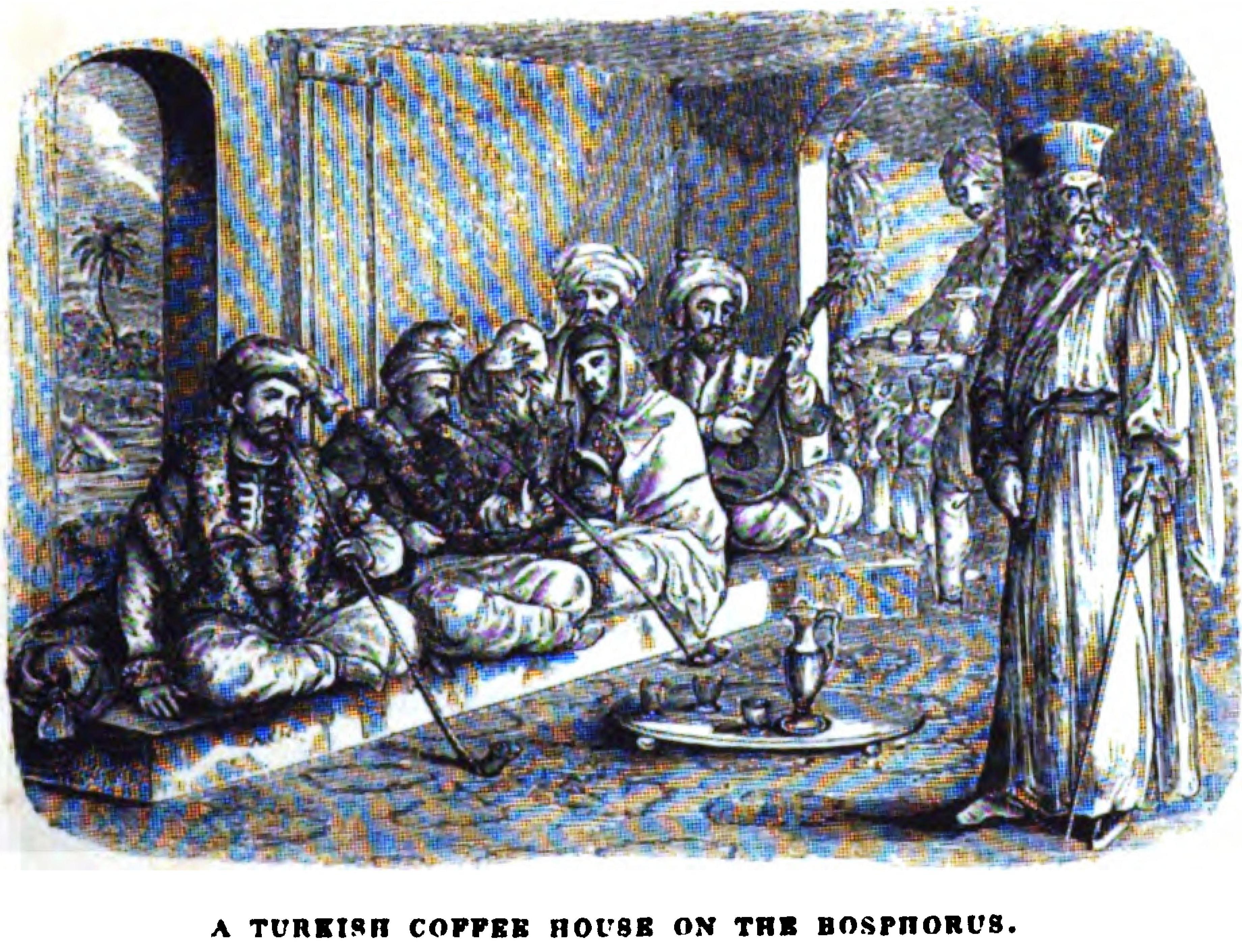
- Should you clean your chibouk or rather
-
Challenge your neighbor to a fight?
- Or your old that’s tight and scratches
- Should you demand to cut today,
- So for the new one you’ll have patches?
-
Or should you simply run away?
- Instead, to calm depression’s fervor,
- You take a stroll .
- And later, with your household servants
-
You play just .
- Or risking a snob’s reputation,
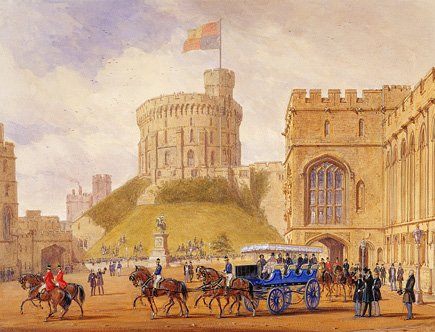
- You proudly board your
- With bright decorations,
-
And ride stiff like a wooden chunk.
- It’s , may readers be reminded,
- Therefore, the last leaf will alight,
- When your gaze, truly absentminded,
-
Will bless it on its final flight.
- Dusk,
- Yawns, when the lights go on, at last.
- But you forget about your troubles
-
And urge the coachman, shouting: Fast!
- Because begin to flutter
- High in the air, for all to see.
- You rush home, open window shutters:
-
Oh, , look—what can it be?
- As if one salted over yonder
- Bathhouses, barns, and every hut . . .
- And started just like that.
- Оглянись! насекомых несметные
- Кавалькады все тянет на мед;
- Есть, однако, приметы заветные,
-
Предвестившие .
- Не напрасно утрами янтарными,
- Что прозрачней, чем кожа луны,
- непарного
-
Вылетает на поиск жены.
- На базаре и .
- ? Пожалуйста, есть.
- Ну а если вы — птица, то куколку
-
можете съесть.
- Детство грусть сама есть. Вон, на пустоши,
- Внуки ,
- ловят, капустницу
-
И старинный поют :
- Вот умрет наша бедная бабушка,
- Мы ее похороним в земле,
- Чтобы
-
Через сто или тысячу лет.
- Во саду обстоятельства прежние,
- Только цветут, а не ,
- И стрекочет небрежнее,
-
И никем не гамак.
- Козыряют всей мастью червей,
- И на дворе у
- Пьет когорта .
Записка II
патронов
- 1
- Вчера гулял в бору.
- Песок его ,
- Его игла и лист,
- Включая , —
- Все сухо было. Я
- Бранил себя за то,
- Что я
- Обул бездумно и
-
Напялил .
- Я , прозорлив,
- по делам,
- Отставку дал и ботам, и .
- в пути застигнут был —
- Бежал и прятался;
-
Придя домой, дрожал весь.
- укоряла: ,
- Предупреждала — ноги тянет, ты же
- —
- отверг и отринул.
-
О , говорила мне она, о дерзкий.
- 2
- Есть ящик у тебя!
- В нем ты хранишь все то,
- Что требует ружейная охота.
- Его без дальних слов
- Открой и из него
- Бери ,
- Ты бери,
- Придуманных покойником ,
- И в донца
- Жевела те вживи
- И .
-
!
- Из резаных мешка,
- Из кáтанка, из пижамы
- Вложи и дроби закати
-
И все это опять заткни пыжами.
- сидит на стуле безголов.
- Фельдмаршал мой, ты, видно, нездоров,
- Стал джентельмен какой-то весь увядший.
- Но кто посмел, неужто
-
Так махнул из-за ?
- на стуле ,
- А дроби номера — шестой да пятый,
-
Калибр патронов тоже двадцать два.
- И дымен порох мой, как ,
- старости чело мне изумили,
- И идут, соображая, что,
-
Соображая то, соображая что-то.
- спит, наевшись .
-
Пусть снится ей, что я ее люблю.
- А мне — охота.
Записка III
Между собакой
- Время для частных бесед:
- Пусть незатейлив обед,
- Всё вы обсудите
-
Вместе с собакой и
- Как хорошо, что ,
- Сидя себе на ,
- Дует во
- И приговаривает:
-
Как хорошо мне у пруда.
- Жалобно блеет
- С тридцать четвертой ,
- Дали пусты,
- И выходной в магазине.
-
Скушно. И блеет .
- Капнула капля из ,
- шесток.
- Кто бы ответствовать мог,
- .
-
Капнуло снова из .
- Все вы обсудите ,
- Было бы что обсуждать.
- Да не прошествовать ль спать:
- Вечер грядет больно долгий
- Вслед за собакой, за волком...
Записка IV
(Разговор с критиком)
- Не спи на земле, ,
- .
- Оставь, мой досужий,
- Мне снится, что храбрый
-
И надо его наточить.
- И простые народы
- Явленье — не скажем: урода,
- А скажем корректно: ,
-
Кремневый крутящего круг?
- . Однако на что же
- Звучанье дел
- В час похоже?
- Похоже, что кто-либо гложет
- Куриную косточку, может,
-
Которую ты не успел?
- Забросив просвещенья,
- В халате, , ,
- Над самым глубоким ущельем,
- Точенье с журчащим теченьем
- Сравнить поскорей, весь движенье,
-
Народный проскакал.
- теперь не дает
- Покою не то, что не носят
- Ему инструменты и ,
- А то, что никто не попросит:
-
и капот.
- Об эту-то пору точильщик,
- Точило, , ,
- Горюя, что он не ,
- Равно не фонарщик, не пильщик,
- Не бакенщик и не ,
-
.
- Се жизнь: к ,
- — каток,
- подошел и хромому,
- Точней, ,
- , ,
-
Фигурный все правит конек.
- Взгляни — и
- Чужая беда — не беда,
- Тем что неутолимы
- Печали фортуной гонимых,
- И если уж ,
-
Им ливень — .
- Темнеет; судьбою не рада,
- Глаголов стаду
- Глядит — и ни складу ни ладу,
- Ни собственно стада уж нет.
Записка V
- Неужели ? Такая .
- Ведь когда бы не ,
- Можно было бы просто забыть обо всем
-
И часами глядеть в .
-
И нюхать .
- Но приходится действовать, надобно ,
- О наличьи лучины заботиться,
- И приходится ,
-
Запасаться грибом и охотиться.
-
Потому что зима неизбежна.
- Небрежно белея лицом,
- Вот он я, мне бы только наслушаться.
- , покукуй, моя,
-
, , пустышечка.
-
Непонятно куда и заче
- Некто с бредет ;
-
Бересква, бредо́вник, будьдерево.
- свеченьем,
- Фрагментами бранных фраз,
- ,
- И ,
- Похожим на зов,
-
Приближается .
- Начинается.
Записка VI
(Воспоминанье о городе)
- Музы́ка звучала
- ,
- Пока неизвестно по .
- Среди молодых оркестрантов
- Крутился ,
- Ее он в буфе ресторанта
- Пригласил посидеть .
- Его очень легко танцевать:
- Два шага вперед, два шага назад,
- Первернуться и снова начать.
- А вечером, после тех танцев,
- Он стал ей как преданный друг,
- Он ей показался ,
- .
- А утром оркестр до причала
- Дама проводила пешком,
- Музы́ка с тех пор не звучала
- в саду городс.
Записка VII
ноябре-месяце">Почтовые хлопоты в ноябре месяце
- .
- Эти — от веток, а те — на юг.
- Скоро потребуются рукавицы,
-
Чтобы рукам создавали уют.
- Правда, порош и морозов скорее
- Сизым прелюдом к
- Близится ,
-
Брат ненаглядный .
- Надо в связи с этим писем,
- Или же пуще того — телеграмм
- Связку отправить. Два слова: .
-
Без промедленья. По всем адресам.
- Надо отправить, пока не вечер,
- :
- , пока не затеплились свечи,
-
Пока не заперли города.
- Надо отправить. Но где ?
- , что ли, впитали их?
- ! А если , в :
-
? — прося консультаций, — ?
- Надо отправить их
- То ли с грифоном, то ль с ,
- То ль, оперируя термином почты,
-
Просто отбить их, как пару котлет.
- Принял решенье и, мучим астмой,
- Что-нибудь выпить сошел в подвал,
- А когда вылез — уже, ,
- Первый во дворе мелькал.
Записка VIII
Бессонница
- Нету сна ни в одном глазу
- (Прав провизор, увы, — года),
- она сдалась,
- С лентой плисовой вкруг ,
- несколько ,
-
А на первый взгляд — решето.
- Вижу все, как будто теперь:
- Это — тут , там — то́,
- И
- Шляпа выплыла ,
-
такой .
- Тонкий из ручья туман,
- в спать уполз.
- .
- Я прикинул: а вот кому решето!
- Только, думаю, к чему ?
-
И стоял в .
- Я достал монокль, протер и вдел —
- Батюшки мои, да это ведь ...
- из вспорхнули — фррр!
- Сколько же, если представить, с тех дней
- Лет стекло в решето ?
- Прав, увы, провизор, и ах.
Как будто солью кто...
- Бывает так: с утра скучаешь
- И словно бы чего-то ждешь.
- То перелистаешь,
-
То перелистнешь.
- Охота не прельщает.
- Рога и со стены
- Твой доезжачий не снимает,
-
грустны.
- Что не поможет верный эль.
- ли несколько почистить,
-
Соседа ль вызвать на дуэль?
- ли старый, тесноватый
- Велеть изрезать в лоскуты,
- Чтоб были новому заплаты,
-
?
- Но вместо этого, ,
- И вместе с своею
-
В играешь .
- А то, рискуя снобом,
- Влезаешь важно в
- С гербами
-
И катишь важно, как чурбан.
- И лист последний отлетит,
- Когда твой взор, вполне рассеян,
-
Его в полет благословит.
- Из
- Зевнет на первые огни,
- Но позабудешь все напасти
-
И крикнешь кучеру: гони! —
- Когда вдруг — Боже сохрани! —
- Сорвутся .
- Вбегаешь в дом — и окна настежь:
-
Ах, , что это, взгляни!
- Как будто солью кто посыпал
- Амбары, бани, терема...
- И началась себе ...

















Despite its many oddities, Between Dog and Wolf features a strict, formal structure: eight prose chapters from the perspective of the itinerant grinder Ilya Zynzyrella; five prose chapters that concern the life and thoughts of the dog-keeper Yakov Palamakhterov; four chapters consisting of 36 poems written by Yakov; and a final chapter made up of a single, separate poem, again authored by Yakov. As Alexander Boguslawski writes, the chapters follow this pattern: ABCABACABACABACBAC (“How Sokolov’s” 205). Serge*i Orobii suggests that “in the novel *Between Dog and Wolf, the principle that will become the cornerstone for determining the root affiliation of Sokolov’s texts of the 2000s is mastered: prose is replaced with ease by poetry, or even merges with it. Such a narrative maneuver, of course, originates not in the plot, but in the field of language: considering that the Russian literary language has ‘worn out’ from constant use and has lost all expressiveness, the writer tries to get away from the usual linguistic norms and constructs a unique style, which becomes the driving force of the narrative. Here, the boundaries between replicas, between direct and indirect speech, between chatter and quotation are fundamentally blurred” (299).