The —may . . The could be heard. They kept shouting to each other but did not halloo because they were walking together, in a tight . , with which she had been picking in her ears since morning, jumped up, looked carefully in that direction, and cawed: They are leading her. A ball of gray wool rolled off her knees, hopped on the flower bed, and, crushing the , rolled somewhere, having turned into a ball of courting . . Stepping into the space of delight, they kept saying: They are leading her; she has had enough swinging. The complex, mixed smell of and may soar above the gathering of the interested. Not to know anybody here. The delinquent tenant, , was outside; he may , near the , begging shameless oarswomen for . Brawny trainers, people of middle age, humiliated the scrounger. She was walking with , having thrown her head back . Her white coat is unbuttoned. But tomorrow it will get warmer—and she is already in a . And the —in black. . Two ghastly are holding her under her arms. The others are walking in a circle, guarding, and all are trying to touch. . At first—just once; later—occasionally and then—constantly. Whenever, wherever: the black jubilant , the semibasement . The time of year and day is changing, the long dresses of the are turning into longskirted sacks. The decorations and lighting and the footwear of the are changing, but their gestures, grimaces, and gait do not show any variations. When it is and the melted butter of the slush spreads on the stale of the blacktop; whether there is fog, and mildew, God’s false , ; if it is late, ; or when ; or , having outfitted itself with the , tries to tear out the sinewy tongues of the prophetic tattlers; or when it is summer, but it is cloudy, and the , , grow, ripen above the site— that no one will notice the approach of the expedition, and even if one notices, one will not caw, and if one does caw, one will not be heard, and if one is heard, there will be no response: . Only you, the , but actually evaluating the universe—more precisely, one of its paths—every time you will discover them again on their way to the . If the light dimmed, went out, the would light the candle ends. You will see them—poor, shaggy, and ugly; their features are revolting. However, when the procession came down from the railroad embankment, came closer to the gardens populated by stooping scarecrows, when it stepped on the solid ground of the yard flattened by and printing , then everything achieved by the blabbermouths in the case of overcoming distances turned into purest fiction. Not thinking about going back, not making even a step backward, the procession has already returned, transferred, moved to the starting position, toward the horizon, and clearly not noticing what happened, continues what had been started—walks, marches, goes forward, dragging and pushing, urging and scolding the one whose head is thrown back and crowned with a quite tainted—but from afar, through the cleansing crystal of empty space, astonishingly fresh . And when, many later, one of the disobedient pupils of the courier institute will become an accidental witness of the gliding next to the , it, despite all its particulars, will not seem to the inspired youngster like a frightening revelation. . Both of them—you will assure yourself, and going to the official dormitory sleep—both of them are symptoms of terminal temporal that . And did visit—all in coats and thaws. ; it was a sum of smells—, paste, wax, a dirt-cheap remedy, called without beating around the bushes a remedy against sores, soap, and, of course, , sent by their namesake in a registered package. You would have preferred if winter wafted with , you would have desired the aroma of Hawaiian , but you did not wince, did not turn away in disgust, fearing that it would get offended and pass, while you wanted to remember it as well as possible—so the next day, in spring, having left the cocoon before the bugle of , . It came and kept breathing. With an ashen mane, strange, and . And to wake up in flowers and , under the -embroidered sheet that . And to wake up in an , in a hunting hideout made of tree branches, in , in the , in a hollow of a thousand-year-old , having changed into a large longeared , hanging with its ears down. And to wake up meaning nothing, as a handful of from , firmly jammed into a . is leaving; it is dawn. To crack, to fry, and to eat three eggs. To feed the crumbs to two tweeting . They will finish pecking, clean their feathers, and tweet again. And other birds, beyond the window, were flying in the direction of the sun, and some were sitting on whitish branches, and others still were trying to print on the roseate frozen sand, but . . A <. The genre-painter- is not needed and not known. . They are having tea in the kitchen at the sticky table. The door to the backyard is partially open; a cart loaded with noble junk can be seen there. Right beyond the backyard begins the backdrop. Behind it, a , a , of blurry road, a , Siberia, and a cemetery are lined up. The visitor is poorly groomed, unbuttoned, with a face like a trough; his visage bears traces of all kinds of excesses, while the cook is by and large untidy, and her master, the emaciated graying dotard, hiding for some reason in the larder and gingerly looking through his lorgnon at the laborer (the most faded corner of the painting), having slightly pushed aside the filthy curtain with his refined, long-fingered hand, her master—in a nightcap and some kind of cheap with frayed lace of and —is a total slob. And should we not wake up at his ancestral estate? In the library? On the ornate ? On the best days of its owner? As him in person? The works of the departed overachievers may start glimmering in the bookcases with the gold stamping of their spines, as soon as , the brainless child of deaf and mute , seemingly having swallowed itself and astonished and proud of it, with the features of a dictatorial idiot, gulps with her sardonic mouth, with the pores of her highborn face the darkness of the study, and the light may dominate, and everything that is able to reflect, mirror, shine, and glimmer—all this may glimmer, shine, mirror, and reflect. But then the stirring of , the rustling of their may forecast the sudden morning, and the moon may already start fading and falling back, tumbling backward, like during an attack of , rolling off the roofs as a not-yet-eaten round , dropping behind them, dripping into the corrugated auricle, where big-cheeked pipers pipe on Saturdays, plunging into the , into clusters of planted and the stirring —rolling off, plunging, and spinning among them like a . The morning dawn dethroned, diminished the moon; . The heavenly light penetrated your closed eyelids, and your face was soaring. But even in those moments of your youth, filled with lofty visions, you, . being taken out of the crates of the bread carriage, and the squeal of the same trays, sliding diagonally into the underworld: . And someone of advanced years was walking by. He was walking slowly. He was walking, afflicted by shortness of breath and by foul language. He was walking for a long time. But even he passed by. And a while later —it was gliding over the rails, hissing with bearings and trolleys, and: But, —was posted on the route-board in corresponding to the occasion. But the transport-absence of people did not last long: The coffeepot has not had time to boil yet, when along the entire street the self-propelled and chock-full-filled equipages already started making noise. , like the smell of the open, but as ill luck would have it, jammed umbrellas, which from the frowning point of view so vividly resemble armpits of and which the provincials keep sticking in each other’s noses, having burst in, enthusiastically wet, . Inconspicuous of the outskirts, in you are particularly mysterious. Sad-eyed, you listlessly soar as a patchy mist, walking quietly in the evening from the swings, from the slipways, from the waves of , gray like the wet sailcloth. You appear, walk out, step on the young before the highway, then—on the highway, then—on the young beyond it, on the cozy gully of Neglect, on beloved, hated——fences and roofs, in order to dreamily, and blindly, and coolly mask it all, shield it, cover it, hide it from strangers’ beholding, swirling, wriggling, and writhing noiselessly, and as if you were squashed . You are t, and if one asks from what, you will not answer; perhaps you do not know the answer? No, you do know, but you will not answer—and that is all. You will only answer someday, after going through your youth, after grieving, after burning up, but, as before, being envious of strangers in that old place, you will answer to everything. . Do you know how bright and clean is your unwashed face and how many earthly sorrows of your sisters are combined in its unearthly features? Lonely and lone among all the lone and lonely who are countless, —there, at the cobblestone highway; here, at the crossroads of turnouts, and at the dead end, where the grows. Burn with white light, sinless flower, burn, bitter, burn, timid, burn, enchanting. who is rushing to your light in confusion. , burn through the winter, and as a white spread everywhere gentle light, your secret charity. Be merry—your image is perennial, not involved in anything, and out of this world. There, on the cobblestone highway, here, on the crossroads of turnouts, burn incessantly in the circle of the funereal old women’s heads that resemble firebrands—gray and smoldering. On that cemetery or on that hill—show white from a distance, burn rising up, captured by the army of crosses similar to warriors mounting brownish mounds. Come merry—to proclaim on the entire firmament your frenetic . .
— . . заслышались. Перекликались, но не аукались, шли вместе, сплоченной . , которыми с утра ковыряла в ушах, привскочила, всмотрелась в ту сторону и выкаркнула: ведут. Клубок серой шерсти скатился с ее колен, скакнул на клумбу и, сминая , покатился куда-то клубком . . Выступая в пространство прелести, говорили: ведут, накачалась. Сложному, смешанному духу и над собранием интересующихся. Никого тут не знать. Неплательщик, , был вне, ему — , у , у . Мускулистые тренеры, люди среднего возраста, уничижали просителя. Шла с , голову запрокинув, . Белое , распахнутое. Но завтра пригреет — и уже в . А — в черном. Две смертельно — по́д руки. Прочие шли, охраняя, кольцом и все искали дотронуться. . Впервые — когда-то, потом — , а затем — постоянно. Когда бы, куда бы ни: черная , полуподвальная. Меняется время года и дня, длинные платья меняются на долгополые . Меняются декорации, освещение, обувь , но жесты, гримасы, походка — не обнаруживают варьяций. Когда и на черствый ложится ; поскольку туман и , ; если , ни в мусоре мусорных куч; то ли ; е , , тщится вытащить вещим их ; или же лето, но пасмурно, и растут, возрастают над местностью , , — , — никто не заметит приближения экспедиции, а и заметит — не выкаркнет, а выкаркнет — не будет услышан, а будет — безрезультатно: . Лишь ты, начинающий , , а в действительности оценивая , точнее, один из его путей, всякий раз обнаружишь их снова на пути их к . Если свет помрачился, угас, засветят свечные огарки. Бедных, косматых и некрасивых ты; черты их . Стоило шествию, впрочем, спуститься с насыпи, приблизиться к огородам, где сутулились пугала, ступить на убитую и дворовую , как все достигнутое в деле преодоления расстояний оборачивалось фикцией . Не помышляя вернуться, не отступив назад ни на шаг, шествие уже возвращено, сдвинуто, смещено на , к горизонту, и, явно не замечая случившегося, продолжает однажды начатое — шествует, марширует, шагает, и толкая, понукая и поучая ту, чья голова запрокинута и столь несвежим, а издали — очищающий кристалл пустоты — бантом поразительной свежести. И когда немало спустя один из разъездного училища окажется невольным свидетелем скольжения при реке, оно, со всеми его особенностями, не явится вдохновенному юноше пугающим откровением. : они оба, заверишь как-то себя, грядущего на казенный общежитейский сон, они оба — симптомы неизлечимого временно́го , . И навестила — вся в и оттепелях. ; то была сумма запахов — , паста, вакса, средство, названное средством против , мыло и, разумеется, , присланные ею заказной бандеролью. Ты предпочел бы зиму, веющую , желал бы аромата гавайской , однако не морщился, не отворачивался неприязненно из опасения, что обидится и пройдет, а ты ведь хотел получше запомнить ее — на завтра, весной, оставив кокон до рога , . Пришла и дышала. , странная, . И очнуться в цветах и , под одеялом с вышитыми , . И очнуться в , в охотничьем шалаше, , в , в дупле тысячелетнего , обернувшись большим большеухим , висящим. И очнуться в значении, равном нулю, в качестве пригоршни , туго забитой в . уходит, рассвет. Разбить и поджарить и съесть три яйца. Крошками хлеба кормить свиристящих двух . Склюют и почистят перья и снова засвиристят. А другие птицы за стеклами летели в сторону солнца, а другие сидели на белесых ветвях, а четвертые пытались печатать на смерзшемся розоватом песке, но следов, к сожалению, не оставалось. . . Жанрист- не нужен и неизвестен. . Чаевничают на кухне за липким столом. Двери на задний двор приоткрыты, видна тележка, груженная благородным . Непосредственно за двором берут начало задворки. За ними угадываются: , , размытого тракта, , Сибирь и . Визитер неухожен, , , его носит следы всевозможных ; кухарка ж вообще , а барин ее, худосочный седеющий , отчего-то прячущийся в чулане и робко работника (самый жухлый угол живописи), слегка отведя изысканной длиннопалой занавеску, сам хозяин, в ночном колпаке и каком-то убогом, с кружевами и , — совершеннейший . Да не очнуться ль в его родовом поместье? в библиотеке? на витиеватой ? в лучшие дни владельца? им же самим? Сочинениям честолюбцев покойных мерцать в золотыми корешков, коль скоро , безмозглому детищу глухонемого , будто бы проглотившей себя и тем потрясенной и возгордившейся, с чертами диктаторствующей идиотки — вбирать своим сардоническим ртом, по́рами своего высокосиятельствующего лица кабинетную темноту, и свету — преобладать, и всему, что способно отсвечивать, отражать, блестеть и поблескивать — всему тому поблескивать, блестеть, отражать и отсвечивать. Но вот шевелению , их — предвестить скоропостижное утро, и луне начинать уже меркнуть и запрокидываться, закидываться, как в припадке , скатываться с крыш несъеденным , закатываться за них, капать в гофрированную ушную раковину, куда дудят по субботам щекастые дудари, сваливаться в , в купы платных и с их шевеленьем — скатываться, сваливаться и вертеться меж ними . Заря , луну; . Сияние с неба проницало веки твои, и лицо твое . Но даже и в эти, исполненные высоких прозрений мгновения младости ты, . , изымаемых из ячей хлебовозов, и визг тех же лотков, съезжающих в : . А некто лет поздних шел мимо. Шел медленно. Шел, страдая и . Шел долго. Но миновал и он. А несколько погодя из перст — скользила по рельсам, шипела подшипниками и троллеями, и: — опубликовано было на маршрутной табличке приличествующими случаю . Но транспортное безлюдье длилось недолго: кофейник еще не успел закипеть, а уже вдоль всей улицы самокатно шумели экипажи. , словно запах раскрытых, заклинивших, , зонтов, которые так живо напоминают подмышки и которыми так и тычут друг другу в нос восторженно-сыро ворвавшиеся . Неприметный окраин, в октябре ты особенно скрытен. Грустноглазый, вяло реешь клочковатою , вечером тихо идя от качелей, от стапелей, от серых, как мокрая парусина, волн. Возникаешь, исходишь, находишь на: мелкий перед шоссе, потом — на шоссе, на мелкий за ним, на уютную , на — ненавистные — — палисады и кровли, чтоб и сонно, и слепо, и холодно заслонить это все, спрятать, сокрыть, утаить от чуждых свидетельств — клубясь, извиваясь и корчась раздавленно и бесшумно . , а если спросить отчего — не ответишь; наверно, не знаешь ответа? нет, знаешь, но не ответишь — . Только ответишь когда-нибудь, , отгоревав, отгорев, но, как и прежде, ревнуя ту давнюю местность к чужим на ней, ответишь за все. ли, как ясен и чист неумытый твой и сколько земных печалей сестер твоих слилось в неземных чертах его. Одинокая и единственная из всех единственных и одиноких, коим , — там, на булыжном шоссе, здесь — на разъезжей , и в тупике, где . Гори белым цветом, безгрешным цветком, гори, горькая, гори, робкая, гори, заветная. , смятенно спешащего на свет твой. , гори всезимье и белой твори повсюду свет кроткий, тайную милость твою. Радуйся — ни к чему не причастен извечный, нездешний твой образ. Там, на булыжном шоссе, здесь — на разъезжей росстани — гори негасимо в кругу погребальных старушьих голов-головешек — седых и чадящих. На том ли , на той ли горе — белей отдаленно, гори вознесенно, плененная людоподобных крестов, бурые бугры оседлавших. , радуясь,— все-то небо оглашаешь ты кликушеским .









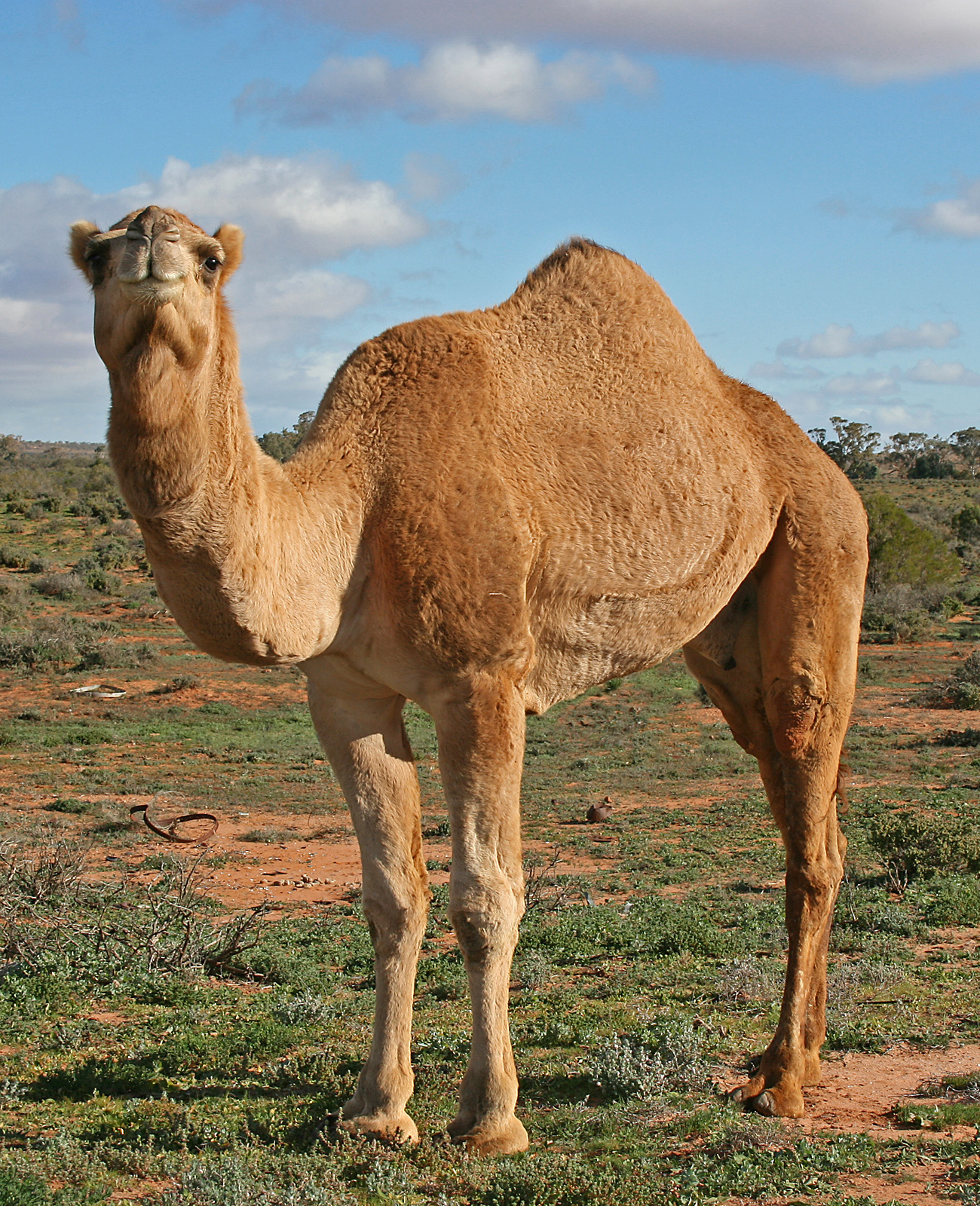

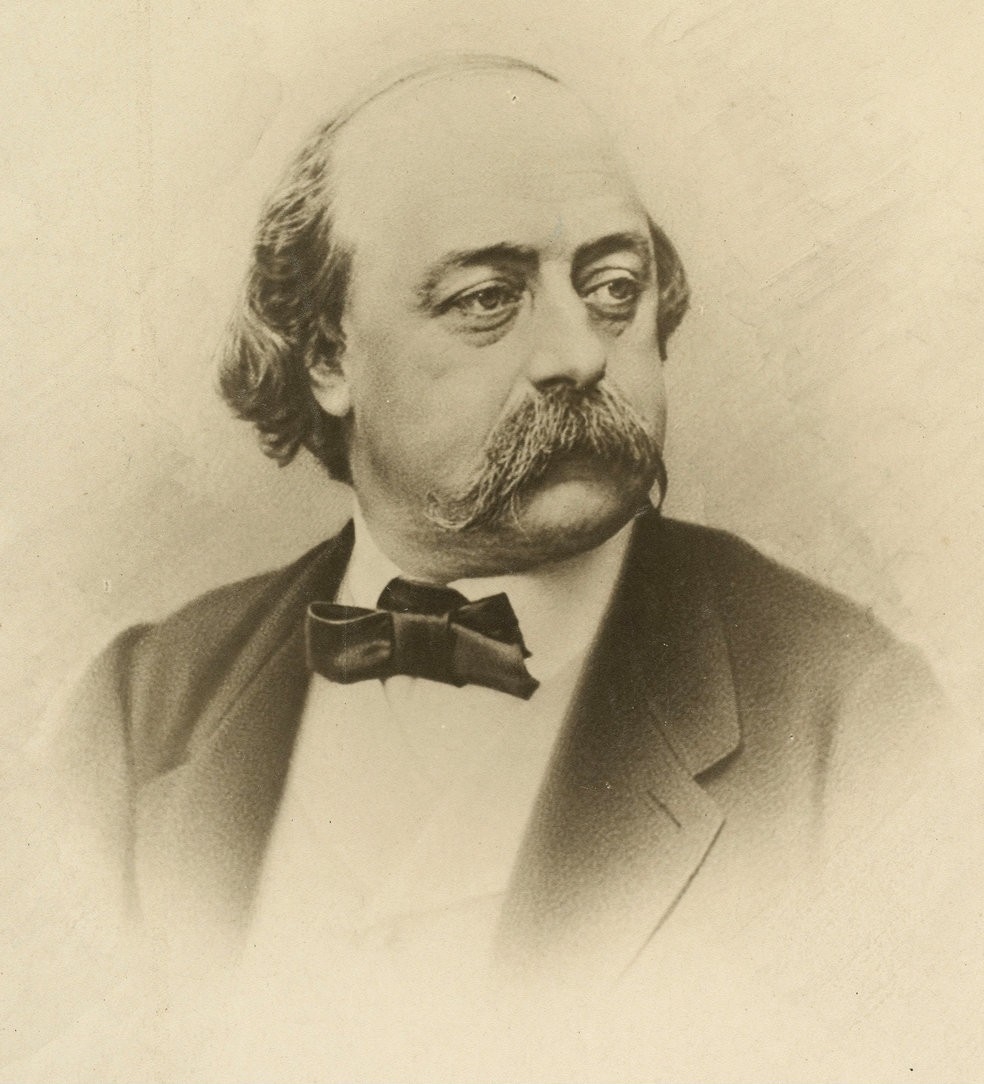
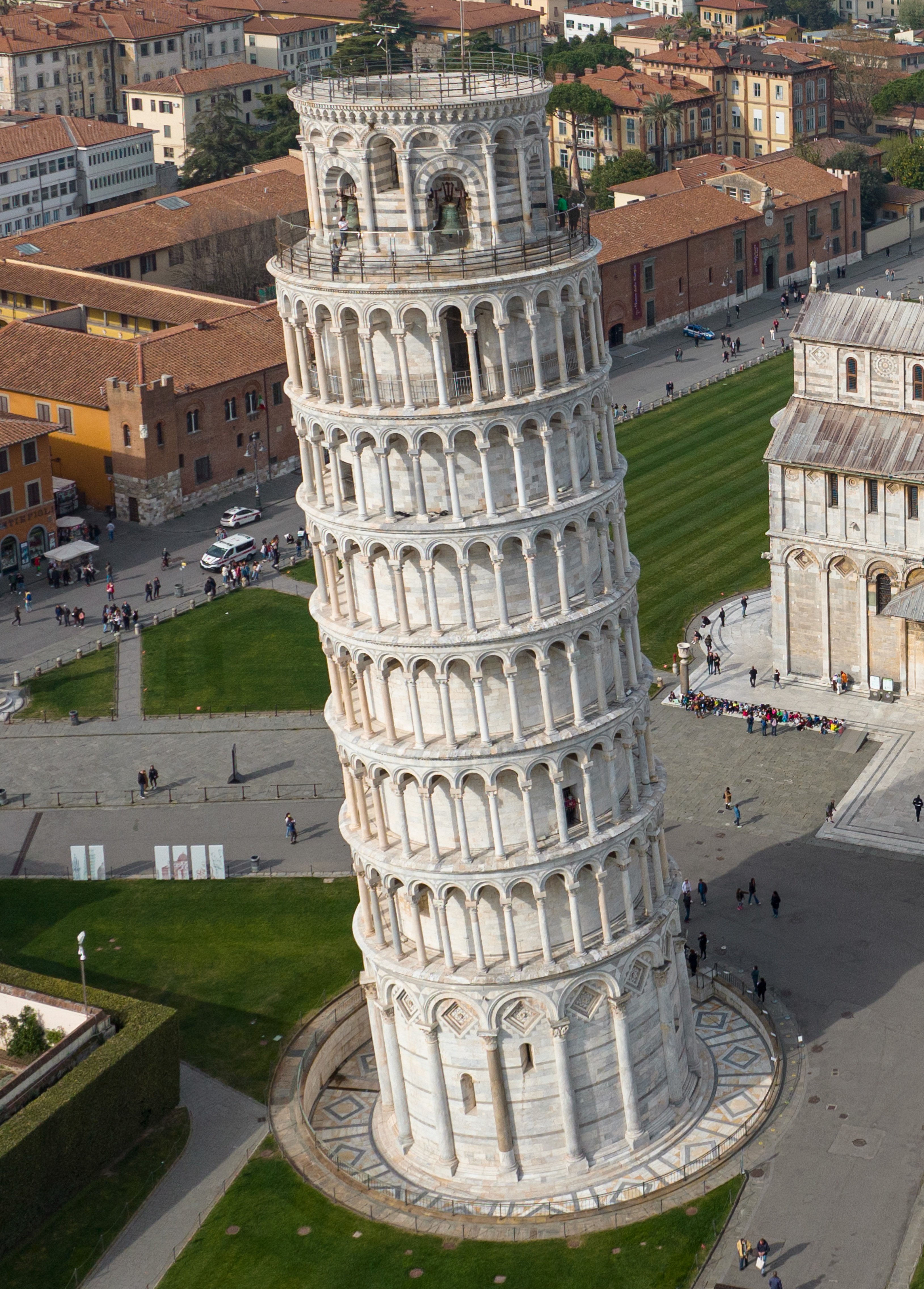
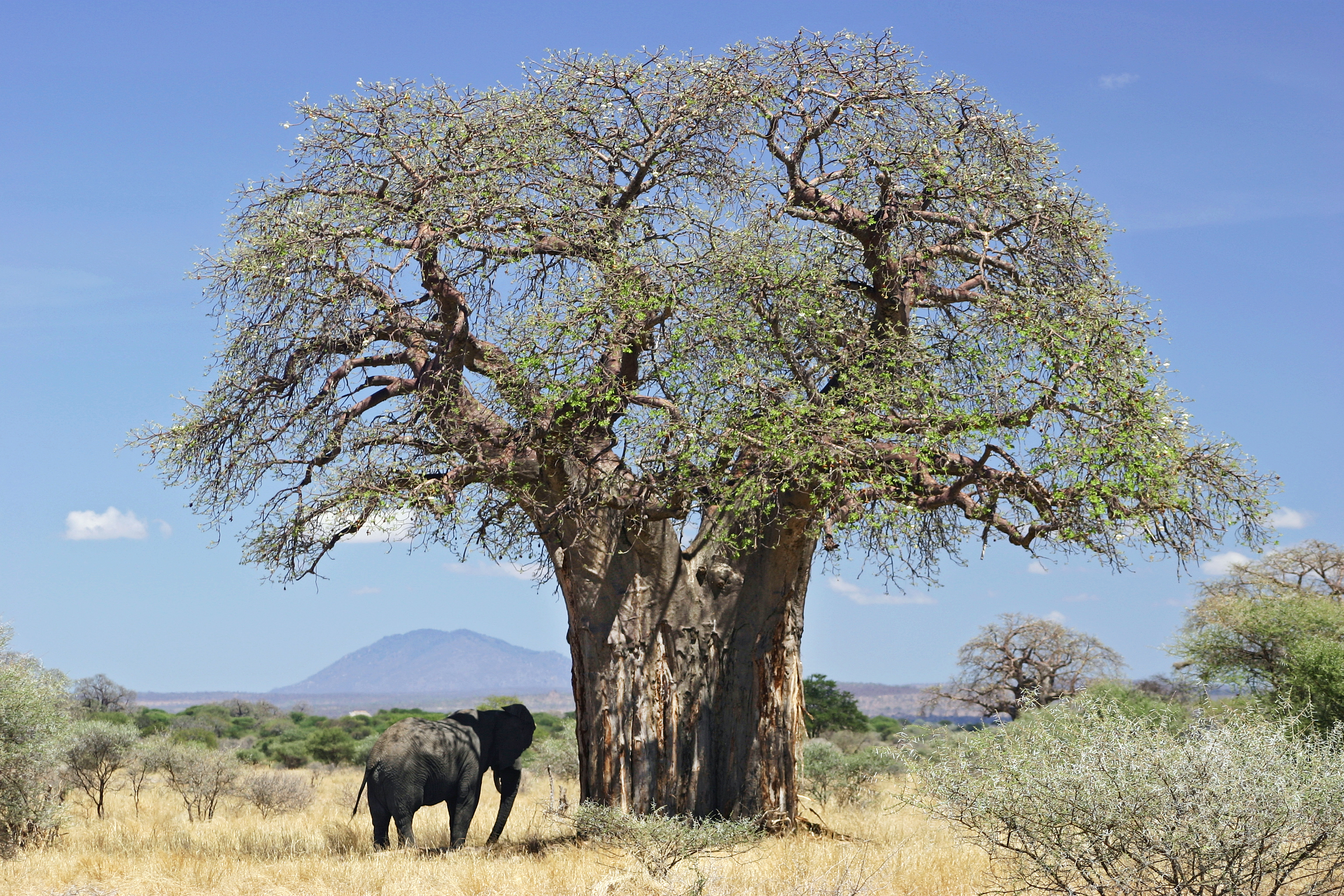


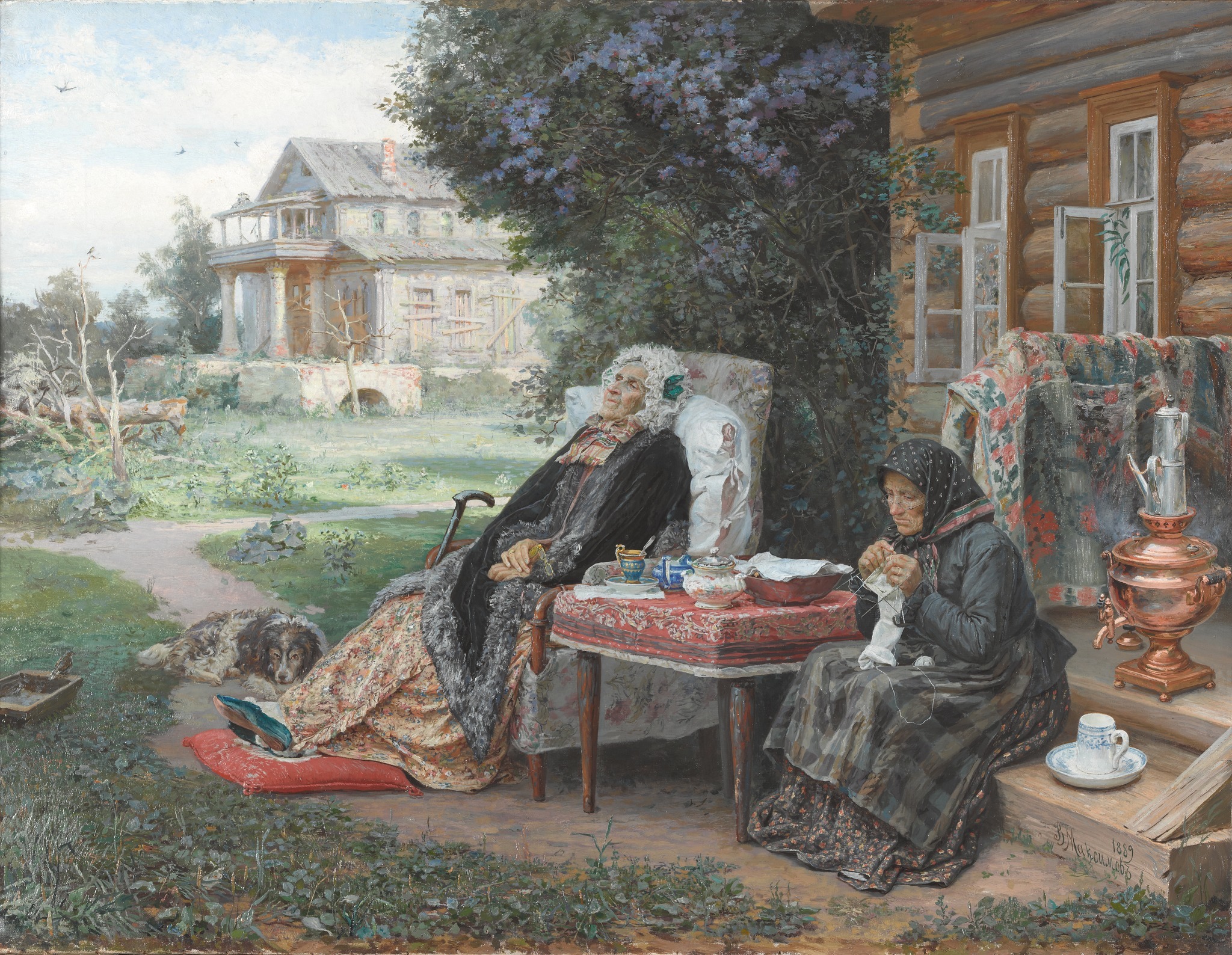
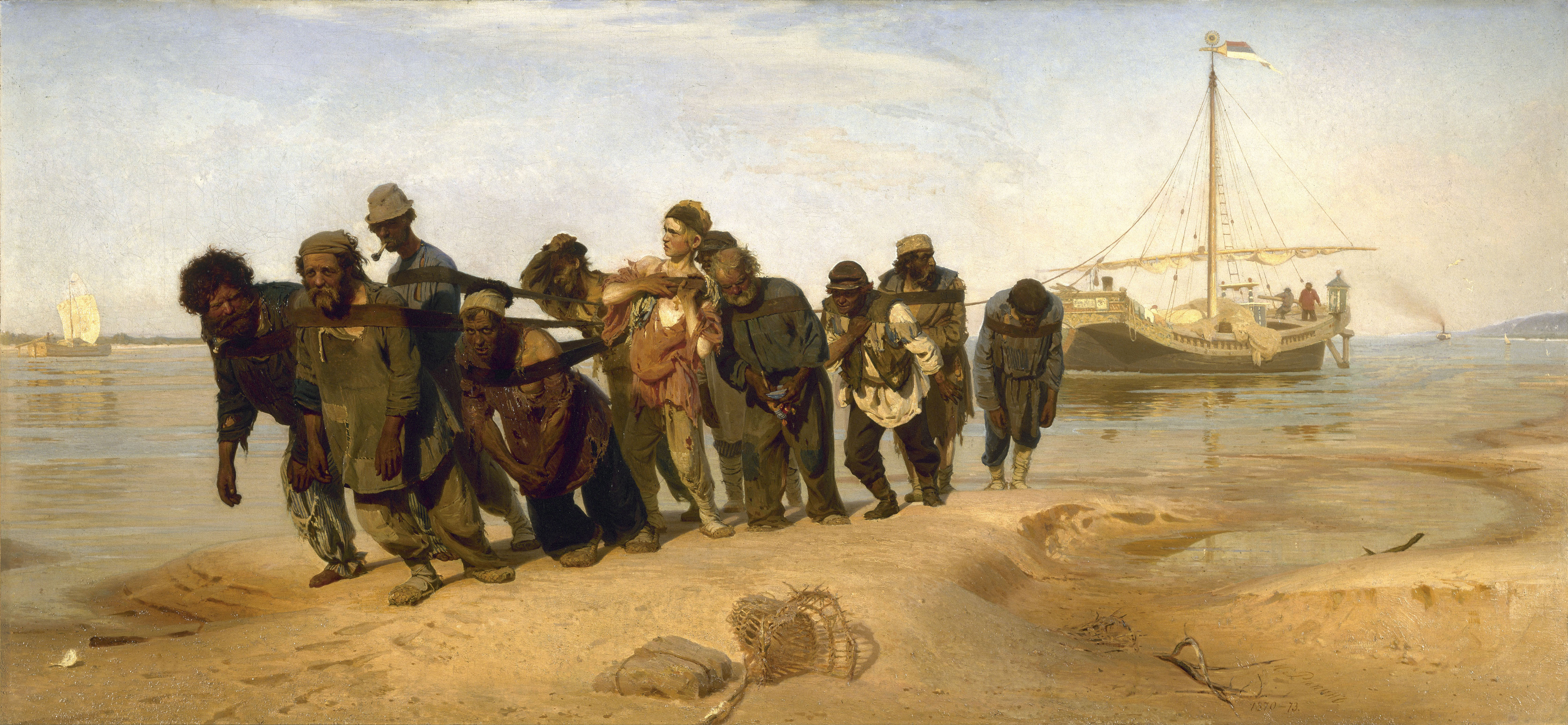
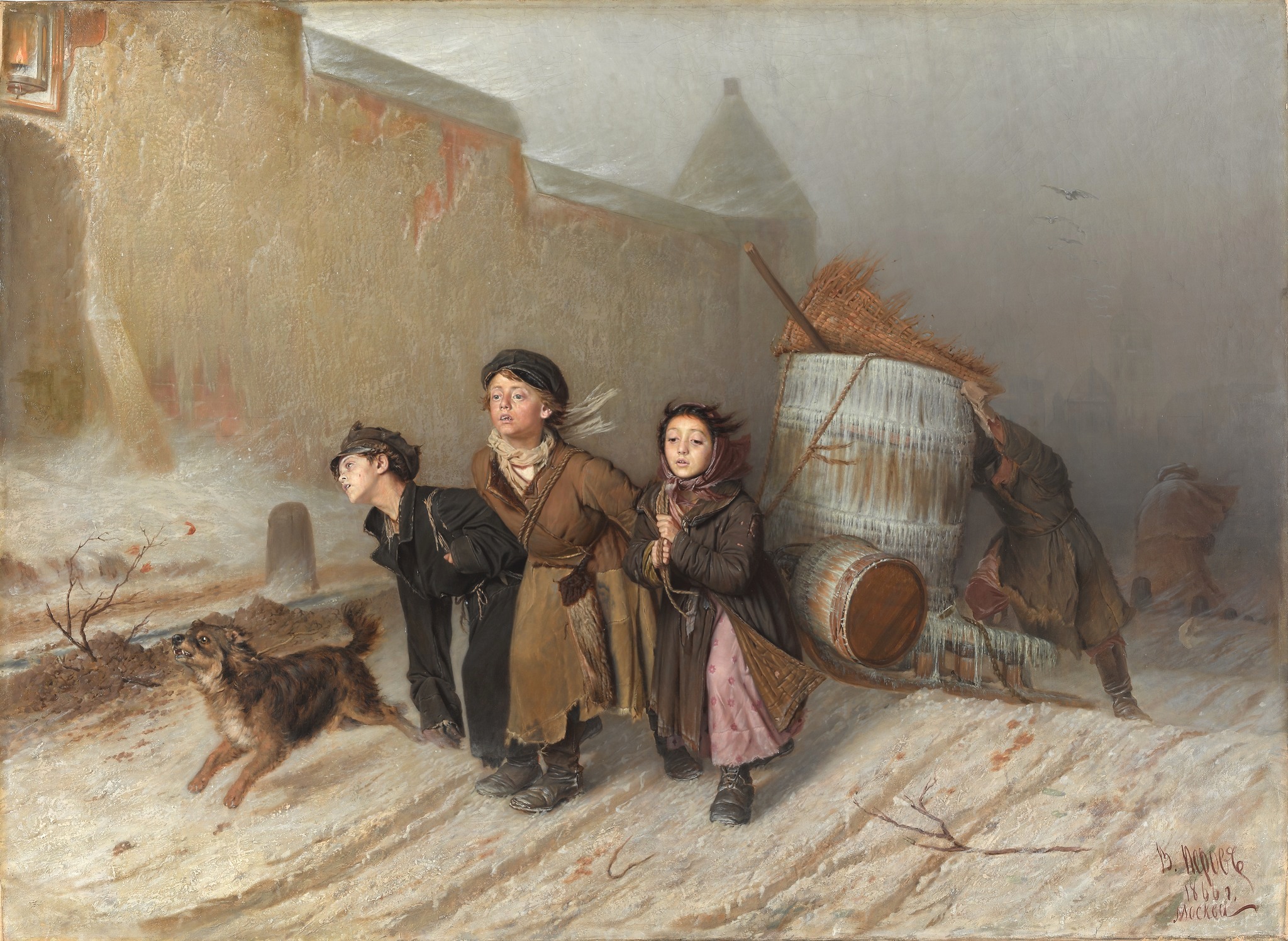


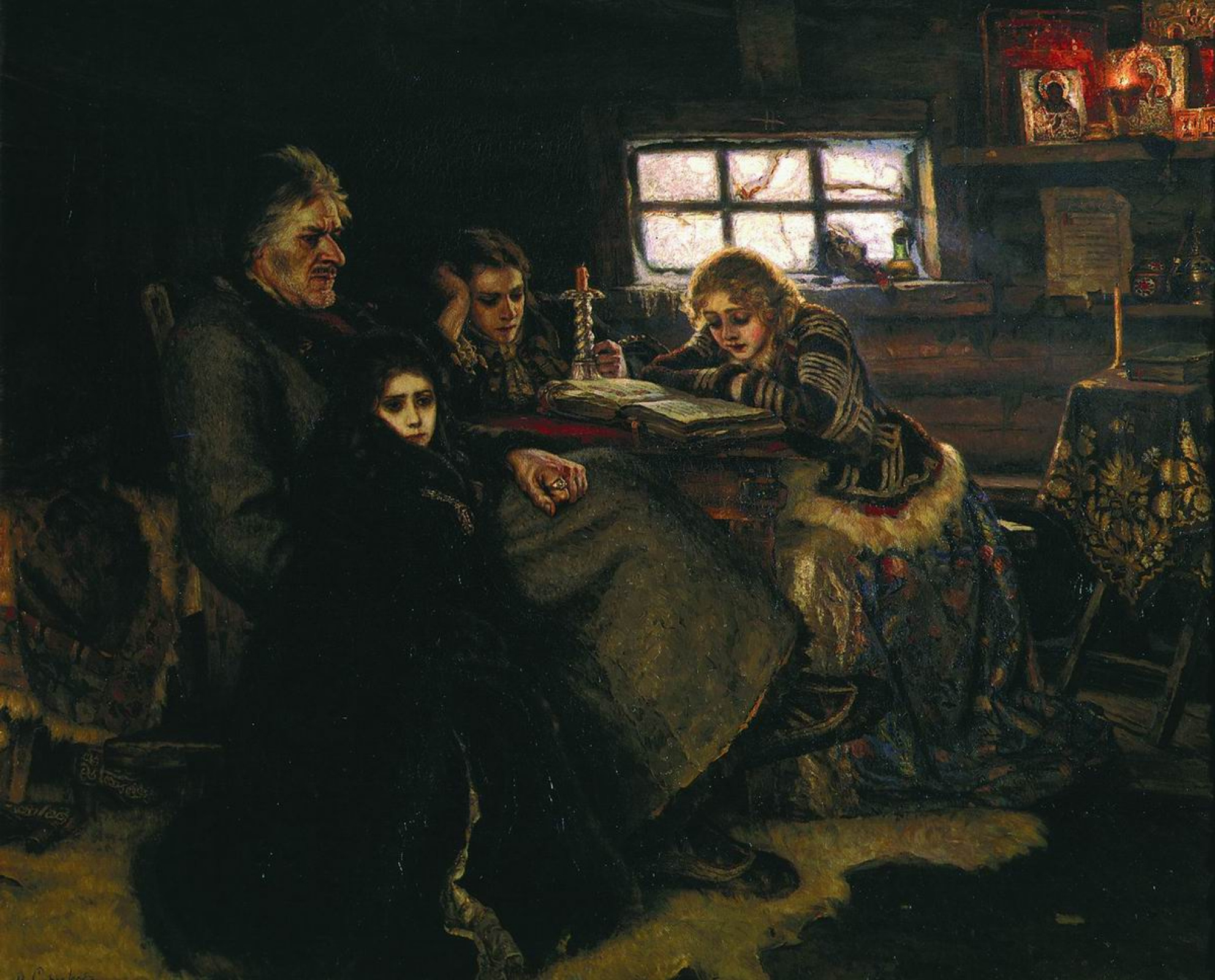
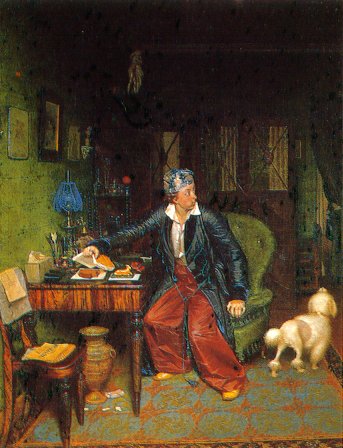









 и “Бурлаков на Волге” Ильи Репина
  , “Над вечным покоем” Исаака Левитана
  и “Меншикова в Березове” Василия Сурикова
  , “Петр 1 допрашивает сына Алексея” кисти Николая Ге
 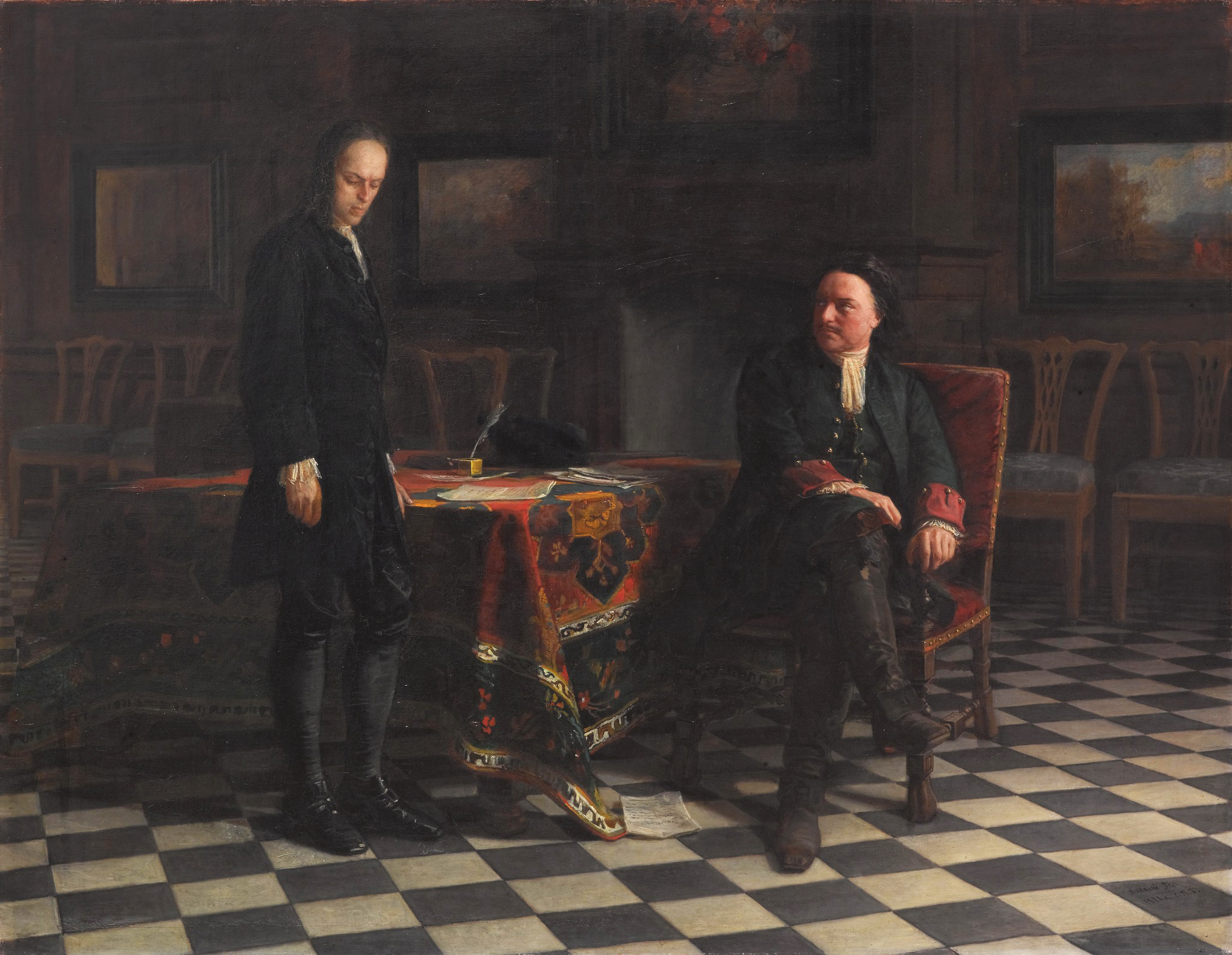 и многие иные” (личная переписка, 29 июля 2023).

Despite its many oddities, Between Dog and Wolf features a strict, formal structure: eight prose chapters from the perspective of the itinerant grinder Ilya Zynzyrella; five prose chapters that concern the life and thoughts of the dog-keeper Yakov Palamakhterov; four chapters consisting of 36 poems written by Yakov; and a final chapter made up of a single, separate poem, again authored by Yakov. As Alexander Boguslawski writes, the chapters follow this pattern: ABCABACABACABACBAC (“How Sokolov’s” 205).