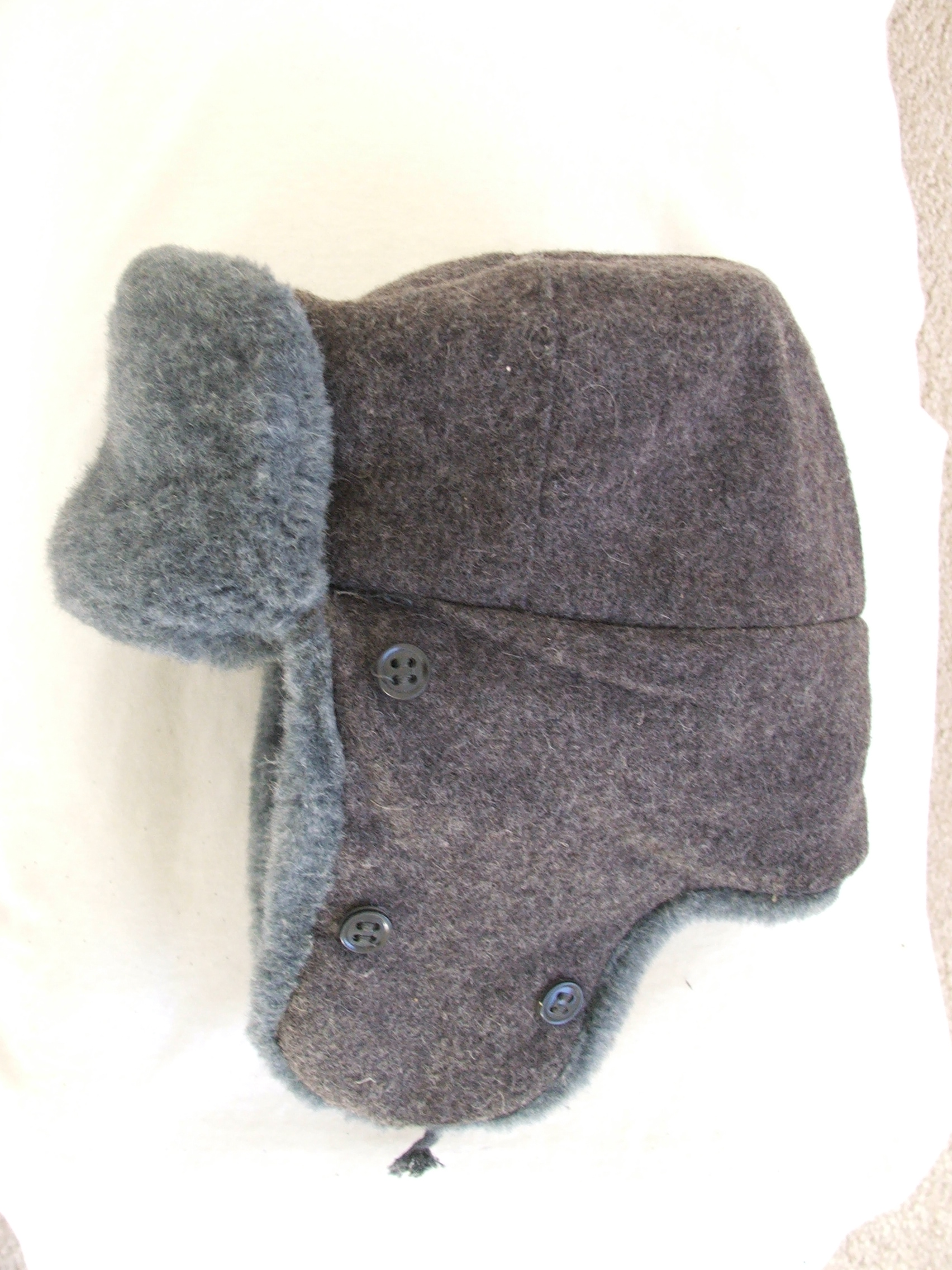
That is how, trying to collect his thoughts, the hunting guard , , philosophized. , keeping the old warden company. lived, , , drank, went hunting, snacked on , and, , tried to gather his thoughts. On the kitchen table, among the objects of trapping and household equipment, he frequently noticed a kerosene lamp. Now and then, the fuel in the container would end and . At the same time it would become clear that in the copper teakettle, , in the teakettle with a handmade wire handle, now used to store kerosene, not even a few drops of the latter could be found. I had a teakettle with me— mumbled, looking at sparks detaching from the smoldering wick and flying up the transparent contraption—. Thinking occasionally about this mountainous region, smiled, recalling that as a boy, , he passionately dreamed about it; later the , like all the other places he never had a chance to visit, became completely indifferent to him. Whenever he realized that he is thinking aloud, Palamakhterov would get surprised. And he would speak, apparently addressing only himself, because, as a rule, he was at home alone: almost never dropped in here. After spending a while beyond the river, would come back to the guard post without and before leaving again to get it, he would passionately bang for hours on the iron plate that hung on the behind the kennel; . And woman, whom and used to pick up in the spring at the fish market and adapt to their bachelor needs—she, , not infrequently would be slow coming back, and before the first frosts she would disappear for good. And would reassure himself: One should not think this way but the other. At the same time, he even tried to gesticulate, but the result was unnatural and silly, , and afterward he would admonish himself, standing motionlessly and having dropped his hands, listless from confusion. One needs to think with more energy, he would emphasize, one has to inculcate some kind of certainty in the mind, one has to constantly—here he would decide to stop, planning to find for sure a replacement for the awkward word that was getting ready to finish his phrase, but he would not stop soon enough and the word would break loose, jump out—every day, would say, keep inculcating. . Agitated, Yakov would look at it and completely unexpectedly—after all, it had not snowed yet—would find himself lying in a wide sleigh and with his head hanging or even dragging behind, and every time, when the sleigh passed a bump or a snow-covered stump, letting it pass between the runners, his head—regardless of how much tried to raise it up soon enough to prevent the blow—would knock on the fly with its against the obstruction and bounce with some kind of a nutlike crack or crunch, and right away, having rattled with its teeth as if it were dead, would fall back again. The situation was even more serious because there was no hat; the latter, as was compelled to conclude, most likely fell off; otherwise, feeling pity for himself—feeling pity, although, as a result of everything befalling him, he experienced neither pain, nor the obvious inconvenience, nor humiliation, —otherwise, the whipper-in considered, otherwise the blows wouldn’t have been so severe. However, having fallen off, , was dragging behind the sleigh, like the head, even though the latter bounced more than dragged. On flat spots, when it was not shaking, his consciousness would come to life. Smiling —it is the freeze, that is the reason it is like that—he would think about the head: It stiffened in the cold, and now it is hard, and now it bounces and cracks. . They are moving at a brisk pace. But the kneeling coachman who installed himself at the very front of the sleigh keeps urging on, . Worried about his hat with earflaps, keeps looking back—inasmuch as he is able to look back at all—to make sure it did not get lost. But no, as before, it bounces and drags, keeping up with those riding in the mobile , and , with an intention to thank for the performed service, for the fact that someone with a foresight took care of his headgear—tied it like that—but not knowing whom to thank, addresses the coachman, in an inscrutable way having guessed that precisely he, the coachman, had tied it, and that now his, , fate depends on him, and it is advisable to flatter the fellow traveler, tell him something nice, somehow win his favor; and so, addresses the stranger, : Thank , I’m so grateful, secured my hat, else I am ridin and simply have no clue, where my hat can be, and it is, as it turns out, right here, attached to the hanger; much obliged, I wish great health, and don’t be angry that and I treated the like that—anythin can happen in . What’s done is done, we’ve lost our temper, made mischief, it happens to everyone, but, after all, as far as he’s concerned, he’s no saint either; , and yet, . Does he think that ’cuz he is an , everythin is permitted? No, we have certain limits set for the too, even if they’re wider, but in addition he, the petty slanderer, that, supposedly, , as if there were no other wardens. . However, aware of this, he does not feel any awkwardness; on the contrary, he derives pleasure from ingratiating himself with the coachman, and he would like the trip to last and last, and he, , a pitiful, hapless, and grateful person, with this head of his, would like to be carried and carried somewhere, and keep saying quietly and deferentially: Thanks for my , with earflappies, tied to the —and would sweetly pity himself, and perhaps, if he were able to cry, he would shed a few tears. Because, he tries to , what is suffering, what is it as such, indeed, in its essence, if it is analyzed thoroughly? How can it be labeled, defined, at long last? But not being able to elucidate the essence of suffering and analyze it thoroughly, as well as define and label it, the hunter makes peace with the circumstances and no longer wants to worry about anything at all, but . into a chilling rain of and to hover above the of the suburbs, above some utterly remote , why not the , . Counting nothing, to linger incessantly above the muck of gutters and retention ponds, above the loam of gardens and wiesenboden of meadows, above the bunch of plywood barracks, warehouses, and shacks; to hang for a long time, disgracing the —black and large, and despising their migrations, and chasing the sentries and neighborhood under the awnings and into their booths; to remain, piercing from side to side the eruptions of the factory pipes, made of sheet metal or brick, and forcing the smokes of the fire-breathing to spread over their paths; and to walk across the roofs of depots, imitating the railroad roofer of the corresponding section of the track, mumbling and monotonously babbling the same thing, and like a from the same section, carrying on nonsense and a basket of shards to glaze the yawning gaps of vistas; and to last, increasing the bedlam of crossroads and telegraph wires, and messing up the look of the old-fashioned—once ballroom, but now workday— of garden hay-men, scarecrows, and all the other characters.
Так, пытаясь собраться с мыслями, охотничий сторож , человек заурядного роста, обычного возраста и без труда забывающегося лица. , составляя компанию старому егерю . жил, , , , пил, ходил на охоты, закусывал и, , пытался собраться с мыслями. На кухонном столе, среди предметов и домашней утвари, зачастую он замечал керосиновую лампу. Бывало, во фляге выходило горючее, и . При этом становилось понятно, что в медном чайнике, , в чайнике с самодельной проволочной ручкой, в котором хранили теперь керосин, не наберется и нескольких капель последнего. Со мною был чайник, — глядя, как отрываются от тлеющей ткани и летят вверх по прозрачному приспособлению искры, мямлил , — . Рассуждая порою об этой горной стране, усмехался тому, что мальчиком, , бурно мечтал о ней; позже , подобно всем остальным местам, где ему не случилось бывать, стал вполне ему безразличен. Когда осознавал, что думает вслух, тогда удивлялся. И говорил, адресуясь, по-видимому, только к себе, , как правило, находился в доме один. сюда почти никогда не . Прогуляв какое-то время в заречье, он опять возвращался на без и, прежде чем снова уехать за ними, бил часами в , висевшее на за псарней; . А , которую с по весне подбирали на рыбном базаре и приспосабливали для своих холостяцких нужд, — та, с утра , нередко не шла и не шла, а к и совсем пропадала. И уверял себя: думать не так следует, а вот как. При этом он даже пытался жестикулировать, но получалось и глупо, , и далее он поучал себя, стоя недвижимо и вялые от смущения руки уронив. Нужно энергичнее думать, подчеркивал он, какую-то определенность в уме выковать, постоянно — тут он решал остановиться, имея в виду непременно найти замену тому неловкому слову, что готовилось уже завершить фразу, но остановиться не успевал, и слово срывалось, выскакивало, — всякий день, говорил , выковывать. . В волнении рассматривал его и совсем неожиданно — ведь снег-то еще не выпадал — обнаруживал себя лежащим в , а голова свисала и даже волочилась, и каждый раз, как сани миновали бугор или запорошенный пень, пропустив его меж , голова — как ни , упреждая удар, приподнять ее — стукалась затылком о препятствие и подскакивала с каким-то ореховым хрустом или щелчком, и тут же, зубами, как мертвая, вновь запрокидывалась. Положение усугублялось тем, что на ней не было шапки; последняя, как следовало , вероятно, слетела, иначе, с жалостью к себе — с жалостью, хотя ни боли, ни явственных неудобств от всего с ним происходившего, ни унижения он не испытывал, , — иначе, рассуждал доезжачий, иначе удары не были бы такими жестокими. Но, слетев, , волочилась вослед за санями, голове подобно, которая все-таки более скакала, чем волочилась. На ровных местах, когда не трясло, сознание оживлялось. Улыбаясь , — это мороз, это она от него такая, — о голове размышлял, — на холоде, вот и упругая, вот и скачет и щелкает. . Едут . Но , пристроившись у самого , все погоняет, . Исполнившись опасений насчет ушанки, часто оглядывается, поскольку он вообще может оглянуться, — как бы не потерялась. Да нет — по-прежнему и прыгает, и волочится, поспевает за едущими мобильным , и , вознамерившись поблагодарить за оказанную услугу, за то, что столь дальновидно побеспокоились о его головном уборе — привязали вот, но не зная, кого благодарить, обращается к правящему, образом догадавшись, что это именно он, возница, ее привязал, и от него зависит ныне его, , участь, и следует спутника, сказать ему что-то доброе, както расположить к себе. обращается к незнакомцу, — голосом непонятно кого: спасибо вам, , шапчонку-то мою прикрепили, а то еду и прямо , где шапка, а она вот она, оказывается, где — к петельке прикреплена, , я здоровия вам пожелаю вполне, а что мы с к так отнеслись — так не гневайтесь, мало ли чего не бывает в быту. , , , с кем не случается, но ведь и он же хорош со своей позиции; , но ; думал, если он , то и ему все? Нет, границы у нас некоторые и для намечены, пусть и шире, да еще и начал , мелкая, , словно иных егерей не имеется. . Но, понимая это, неловкости никакой не чувствует, ему, напротив, приятно заискивать перед возницей и хочется, чтобы , личность жалкую, беспомощную и благодарную, а он бы все твердил негромко и вкрадчиво: мою, , к петельке — и сладко бы сожалел о себе, и, может статься, если бы удалось поплакать, то и всплакнул бы немного. , пытается он, что есть страдание? что оно такое есть, в самом-то деле, по самой своей сути, когда разобраться по-настоящему? как обозначить, определить его, в конце-то концов? Но, не в силах будучи выделить суть страдания и по-настоящему разобраться в нем, равно определить и обозначить его, ловчий смиряется с обстоятельствами, и ему уже не хочется хлопотать ни о чем решительно, но . дождем и повиснуть над предместья, над некой донельзя , отчего бы не , . Ничего не считая, заладить над сточных канав и , над огородов и нив, над фанерных бараков, и ; зарядить, унижая достоинство черных, больших, презирающих перелеты и гоня под навесы и в будки и окрестных; , наискось пронизывая изверженья фабричных дуд, жестяных и кирпичных, и заставляя стелиться дымы огнедышащих по путям их; и идти по крышам складских помещений в подражанье путейскому кровельщику соответствующей , и одно и то ж и — как той же , неся полную , застеклять зияющие провалы перспектив — и длиться, усугубляя перепутий, проволок и портя вид старомодных — бальных, а ныне присутственных — огородных чучел, вороньих пугал и остальных персонажей.





Despite its many oddities, Between Dog and Wolf features a strict, formal structure: eight prose chapters from the perspective of the itinerant grinder Ilya Zynzyrella; five prose chapters that concern the life and thoughts of the dog-keeper Yakov Palamakhterov; four chapters consisting of 36 poems written by Yakov; and a final chapter made up of a single, separate poem, again authored by Yakov. As Alexander Boguslawski writes, the chapters follow this pattern: ABCABACABACABACBAC (“How Sokolov’s” 205).