, she says, as a rule, I live all the time in the barracks here. We have a cozy park, with swings, the residents are also quite friendly, and there is a ravine— to your heart’s content. Earlier . She smelled of old stuff worser than you do, and I was only gettin into prime, my hands, fittin my years, smelled of milk, my hair was wavy, curly. And I wanted to ; I’ll go out and walk all day. On the glades it is pleasant—, . . And don’t leave nothin shiny—they’ll it. Sometimes I would shout: Shoo from my money! I used to pick large , collect for food; after all, . And once a trapper captured a cub, what a joy! And he : When it grows up it’ll be a fox. But not long the fox cub stayed with us—it . I searched in the woods—there’s no fox, what pity, what sadness. Later we went with Granny to search for wasted coal on the railroad embankment. We have to fire our stove, the fall is comin. The from locomotives, , the from locomotives they throw out, and in the gray there is black, what didn’t burn away; you noticed it—pick it up and that’s it. . , it perished, . And Granny: Don’t wail now, this ain’t ours, ours was smaller; let’s better pull the skin off. No, Granny, don’t pretend, it’s ours, it grew up in summer. And the trapper later asks about the fox. But I hid the truth. The trapper was our neybor, but I wasn’t goin out with him. At first, I was goin alone, with nobody. But, after all, age takes its toll and a turned my head: Jokin aside, what’s there to fear, he says. What do you think, . At the very beginnin, quietly—he kept touchin, snugglin. His mouth was so sweet. I am laughin: What, did you munch some fruit drops? And the sailor: I always use them—you know, we need to get rid of the tobacco odor, otherwise our commander will give us hell, we’re not allowed to smoke, we’re underage. When we return to our craft from a , he arranges inspections: Well, cadets, breathe, he demands, right away. Other fellows buy mints in the boat’s , but in my opinion fruit drops are more useful, although , so they’re all completely rotten, but then from mints a blister bursts just like that on your tongue, and fruit drops you chew your entire way back—and no worries. You can also chew tea or coffee beans, only the packaged tea in your pocket will spill out for sure and when the commander starts turnin your pockets inside out, he’ll decide it’s tobacco, and you won’t prove that it’s tea, and if you do prove it—that’s another minus: After all, tea can also be smoked and it can be turned into a , so with tea you’ll get burned in both cases, and with coffee too. No, honestly, fruit drops are more reliable than everythin else, no snags, and to hell with these cavities, if you think about it, the main thing is, the nerves are worth more. And will you gimme some? If you agree, he said, the entire tin is yours. And I wasn’t spoiled by sweets. . . So what was I to do, I would have not done it with him otherwise. He was though, , punier than you. Probably was , but we haven’t slept a wink all the same. We got out when it was already grayish, and when we started I could still see through the entry gap his trainin gunboat in the middle: We are at the roadstead, he bragged. . , splatter. At home Granny met me and started reamin me out, she splattered the fruit drops all over the floor. Well, so after that I haven’t said no to the youngster no more. One day he shows up—he’s wearin a : You see, what lousy weather, . So you won’t visit after this? No, I’ll drop in when spring comes, he says, why would I traipse over snowdrifts senselessly, and Granny, he hints, will not allow us to do it in the room, and under the it’s almost unthinkable, packed with snow, so all the very best to you until later. . Why not, I can stitch them, he said, but for free, for , so far, nothin’s done here. When he started takin measurements of my foot, he locked the door right away, put the hook in—and you know what. Drop in for fittins, he instructed, and I started comin often to them fittins. He had stitched nice in January; for strength he applied the , for looks he edged them with the fox’s tail—not bad. It was comfy to walk in them along the piles of blown snow to visit him, softer than soft. And toward the spring—I’m already . And you cannot keep the cat in the bag forever—right?—so in the barracks they started all kind of gossip. Granny lamented: Every hour somethin worse, she said, , just wait what will happen next, she kept worryin. And , the sailor boy—ahoy—calls again under the ; he hauled there a bunch of from the ship. And it so happened that in the mornin I am with the , and I hurry to the river shore. And I got so used to it, so into it, that if one or two days go by without the usual—then I’m in trouble, I squirm, languish inwardly, as if a piece of ice was burnin inside me. And two of them arranged their visits, but even together they could not keep up with me. But then, suddenly, they got a big leave from the gunboat—the order was given—and they presented me . I started protestin, I won’t manage with all, and ; if you listened, they seemed awfully crude about everythin. And then they purposely pretended that there will be only two of them at a time, like usual, and their friends will wait close by. But when he and his pal in one pair have finished me, then they whistle on the other two wooers. I understood my predicament—decided to get rid of them, but again only threw my words to the wind. That’s how they tricked me and in addition got me all bruised up. We’ve got ourselves a swell discharge, one of them esplained later, otherwise you wander like a homeless pup, don’t know where to go; after all, we ain’t locals, acquaintances— , and we’ve got to kill time, we’re young, after all. Well, we can drop in to the to make ourselves spic-and-span, or to the Armenian to get our buffed squeaky-clean, to change the laces, or to the movies, or to the skatin rink in the worst case. But the skatin rink ain’t open all year, and the movies they show all year ain’t funny, and if you wanna smoke, smoke in your sleeve or they’ll escort you out. And even at the skatin rink you can’t run fast that much, his pal nodded, you get a furlow, go to the park, rent them , get them sharpened, go here-there, have some in the buffet, then sprint once down the main alley—and right away you’re drenched, you can wring your outfit dry, ’cuz it does not befit us to leave our on the hooks: They’ll damage them, fray them, tread on the fleet’s honor. So from that time on they made it their custom to do it in turns. One of them is in, and the rest stay outside. And they noticed some spyin on them from the bushes. They’ve caught him, dragged him in, they’re mockin. I asked: Let me be with him alone. They went out, for them it makes no difference, they started bakin potatoes. At first my trapper was shy, such a touch-me-not, but when I fondled him more carefully, he got tamed. I dozed off, and when I woke up—he . The sailors came back, offered me potatoes, , and . Everythin’s not like with normal people, Granny kept complainin. And many things happened around. The sailors went missin, the shoemaker also faded away, Granny disappeared somewhere, and my son is gone, but I am still here, I live here permanently, as a rule. . ’Cuz, after all, what kind of a sucker, flashed thru my mind, I appear to her and to myself, what kind of stupid games were we playin, why did we have to drag and stretch everythin for months, why did I want to show her my respectability-humility? I thought like that and , a . My jerky path thru life tore off by itself, like an old rag. As if , and partially it did, indeed. I considered this parable seriously and with the deeply saddened soul realized that this granny, greatgranny, foresaw everythin to the core, not for naught she was a celebrated ragpicker. Yep, . Don’t be cross, I am tired of bein prim and proper, so I will force you, teaser, right now, here, on the gunboat junk, not waitin for other occasions. , but . And I came closer. I will . was so tempted that he became a clown, he got derailed on account of a skirt; he turned into a cat in heat; his reputation got tarnished. , I would spread some straw there and would authoritatively burn with all the shameful tatters, I would turn them to ash on behalf of the celestial powers, even though, lately, I haven’t seen any special allocations from that agency at all. But, in the end, , there will always be enough for us, there will. So I am fryin them slowly; it’s almost supper. . But there, where the drives his spouse in the carriage to meet the , a dry leaf coils in flight into a roll-up; around , where they talk —it’s pure December, and on our Wolf River, though it’s hard to believe, and . Steamy and hot are the in their , they screech; I feel sorry for them. Nevertheless, I swallow, eat one after another, scrapin from mother-of-pearl what’s edible. , but he doesn’t change his mind either. I pity you, he laments, after all, I am drivin you to drown you. Well, you don’t have to, she, the old rascal, gives him advice, just look back how many years we served together. But that’s exactly it, the complains, so many years that I cannot stand you one day more, you’re dreary. But I’m askin, he continues, put yourself in my position and don’t hold a big grudge against your oaf. No worries, she absolves his sin, to each his own, don’t miss your chance, only you too, my friend, don’t judge me too harshly: Most likely, I will bother you now and then. Do not, she says, wait for me necessarily every night, and yet, now and then I’ll drop in to scare you. The masters about And none of them knows nothin properly; they all forgot everythin outrite, negligent dummies. Only I, standin for some reason among them in December, kept everythin in memory. And so, —no, you ain’t brave, even though you’re . He got offended at the guzzlers, ’cuz they questioned his darin— and shortly afterward left the spit, to prove, in the same , that he won’t allow such numbers. And he what he needed where he needed, and hanged without hysterics on the waxed twine wound eight times, havin thrown that renowned baluster across from one to the other at a proper height. And the gardians of the hunt find him and summon a medic from : We request, you understand, your help. He dragged himself in, they showed him—go on, heal. The medic says to them: Personally, I am attestin . And we thought that our clime’s givin him fits; well, but as far as bein, will he be? I don’t promise what I can’t promise, the quack told them. Medical profession knows better, they say, it turns out he kicked the bucket, poor lonely wretch, he croaked. True, sheltered him at the very end, but even that ain’t worth much— , like a carrot and a stick. . That’s what the wardens of were guessin at the outskirts of the village , and she has already, one should think, secretly chosen whom exactly. It got clear later, durin the wake after , where due to the relatively close approach of . , deliberated for a while, and decided to take the wake outside, to the area shared by all, to the , about which the always spoke with such admiration. There’s perhaps no place on the entire Wolf River more fittin than these scraps of land. At the first sight, just an ordinary spot, damp and muddy; well, a flickers here or there, or a . But you’ll spend a borin week there, do some fishin and lie in the sward with a band of river brigands, lookin at billowin clouds and you’ll utter with sobs, quietly-softly: . Would you believe the way the water flows—as if it were molasses, flows—as if it were standin; the unnoticeably sneaks the entire night toward mornin, and the itself is like that: Either it comes—or it doesn’t. But if you look closer—the is rushin, rushin with its entire liquid body. It would be wonderful, word of honor, to give up the ghost on those . I’m dreamin about departin , sweetenin my lips with a handful of wild strawberries and sinkin into the with them. Or haven’t I turned the coarse grindin wheel? No, I don’t need nothin, I haven’t lost nothin, and I belong here like a saddle on a pig. Where are you, , why do you dillydally in the distance, gimme a sign. But you return to the dry land and right away, as a result of all this , you forget your reasonin, you suffer and do donkey work unlike and them other valiant that . Yeah, we ain’t risk-takin, darin creatures; .
, the dragon-seer, durin the wake stood up at dawn, completely illuminated by the fire, all covered with grass blades and creepy-crawlies, and proclaimed in a loud voice, so the around the other fires, includin , on his and other islands, would wake up: brethren, we are now escortin into such a couth of the local hunts, as . We all knew him, that’s why we are sad, for that reason we’re ceaselessly drinkin without closin our eyes. So let’s commemorate the deceased like real people, let’s announce to each other what kind of splendiferous dweller he turned out to be. It got noisier than before that Monday around the islands; the invited and uninvited started rememberin the good deeds of the , and began thirstin for another round. my turn came, and I report that, I won’t hide it, the one responsible for our sad celebrations was a praiseworthy client and that I did grind his racin or regularly and sharply, in accord with the bill of fare. On Wensday a certain mail carrier takes the floor. , he admits, was my soul mate, so I always delivered his mail within reasonable deadlines, . And on Thursday the undertaker found plenty to talk about. Our departed, he assures, was an irreplaceable , but I am also nobody’s fool—I knocked down for him a restin place first-class. Mischief-makers they are, these undertakers, dreadful. Here’s an example. Have ever tried to dig in the ground with a shovel in freezin season? , hard as a rock. So the at first wore themselves out, exosted themselves with frozen diggin. And they got bored by such a waste of time, they stopped diggin in the cold, they dig in summer and fall, for future use. That is, they’ll approximate how many folks in the vicinity will depart in season and they make that many pits—they ain’t too lazy to add a few just in case, and later they simply need to even it up here and there, and it’s done. And considerin that they charge , it becomes obvious and enviable—winter will be fantabulous for them. And happened to turn up among us, with a mug double-chinned and sturdy, so sturdy that there was no neck. He did not respect the village hustle, sat on an island, , all shaggy, and had no special likin for the authorities whatsoever. On Sunday he floats in on a to our backwater and states: should not have gone with that broad. Intrestin, what you’d have done, they argued with the wolfman, it’s not you who is choosin but other way around. Doesn’t matter, he answered, he shouldn’t have gone; . Watch out, , or . The same day wakes up with an odd feelin: Who was me from the right now? Nobody beckoned you right now. No, somebody beckoned, I need to go and see. He dived into the sharp and vanished, and when , they surrounded him and kept askin: Well? He told them: She. Was it ? Don’t ask. He’s grimacin, as if he was havin a seizure. Watch out, warned him, so it doesn’t get bitter. On Wensday, ate ; dyin, he warned: ; —we had fun, she told me, and now forget it. Therefore, go ahead, touch, these of mine are already like ice. And he became thoughtful. Just look, what bad luck, complaints are spreadin all over the islands, the in the rivers is on the spawn, tears the nets, and here—either a wake or a funeral. I’ll digress. Have guessed who is, ? Once I was snoozin in my nappin shed—, so you better know. I woke up and outside to pray. A turquoise star fell from the sky, the Volga cooled down, my friends and pals thinned out, the fences are all covered in hoarfrost, and I myself am no more than just a name on . Both laughable and rather short I am, a nitwit. The night is like a debtor’s jail: Who knows when they’ll drag you out. But —whoever are—don’t abandon me. That’s how I prayed. And then right away the voice: will visit your places and everythin here will turn topsy-turvy. ; they don’t believe me. What kind of stuff are you talkin about, what else can turn topsy-turvy here? As you wish. And one day that , a man of non-advanced age, visited our familiar . At the threshold he stumbled, and his small transparent container in the shape of a smashed into smithereens. ’Nuf , he snapped in distress. It became quiet like in the deaf and mutes’ shelter. They brought him a treat. He swigged it. I was restin, he relates, under the , near the site of the bathhouse fire, by the pant-washin deck. The night was like any other, , and the moon was like any other, only . And down the ginger-moon road, like along the decks, from to here, over the river reach, approaches, in no hurry, a puzzlin woman. At first I decided—some auntie thought she would take a bath, she forgot that our had burned long ago. But then I looked closely and it was none else but the . She’s lookin kind, modest, she’s wearin no clothes whatsoever, but you can sense she knows what she’s worth, and she’s gorgeous—to tears. She sat down next to me, and we exchanged caresses, not straight on but as if someone had forbidden us—lightly as a feather. We fooled around for a while—and she went away, the speak-of-the-devil. All in all, it’s clear—she visited us, she did, concluded . then, and a chaser. We’re not , he says, but .
, все время я в бараках тут проживаю вообще. Парк приютный у нас, с качелями, жильцы тоже вполне приветливые, и овраг имеется свой — . Прежде , старьевщица. тебя, а я только входила, мне руки мои по летам молоком самой пахли, волос вился, курчавился. И я хотела, уйду и весь день. На привольно — , . А блестящего ничего не оставь — . мои деньги, бывало, кричу. рвала большие, собирала поесть, . А однажды , радости. И : вырастет — станет лис. Но немного побыл лисенок у нас — . Я искала в лесах — нету лиса, обидно, горестно. После отправились мы с бабулей уголь бросовый на насыпи поискать. Печку ж надо топить, дело к осени. с паровозов, , серый шлак с паровозов сбрасывают, а в сером — черное, непрогорелое, приметил — бери, и все. , пропал, . А бабуля: да не реви, вот, не наш это, наш , давай лучше шкурку . Нет, бабуля, ты не сбивай, это наш, вырос за лето. И ловец про лиса спрашивает потом. Но сокрыла я истину. Был ловец мой соседом нашим, но с ним не . Я сначала одна , ни с кем. Но ведь возраст , и увлек: кроме шуток, что страшного-то, говорит. Что ж ты думаешь, . — трогал, . Рот у него такой. Я смеюсь: что ли, вы себе кушали? А моряк: я всегда применяю, знаешь ли, табака необходимо запах отбить, иначе командир заругается, нам курить же нельзя, мы невзрослые. Мы когда в из увольнения возвращаемся, он проверки заделывает — дыхните-, требует, , . Ребята в судовой аптеке берут, а по мне — полезнее, хоть и , все сплошь порченые, но зато от выскакивает запросто на языке, а всю дорогу грызешь — . Чаем тоже можно, кофейными зернами, только чай в кармане просыплется пачечный , и командир карманы как пойдет выворачивать нам — решит, что табак, и не докажешь, что чай, но и докажешь — тебе же минус: чай же тоже можно курить и тоже можно, так что с чаем так и так , да и с кофеем. Нет, по-честному, надежней всего, никакого , и с этими дуплами, если так разобраться, главное, нервы дороже. А меня угостите? Согласишься, сказал, вся в твою пользу пойдет. А я ж . . . , но так ни за что бы не стала с ним. Даром что он был, тебя-, , щуплей, , вероятно, , однако мы и чуть-чуть не выспались. Вылезли, а высерело уже, а началось — еще на середине видела через лаз: на , хвастал, стоим. . , . Дома бабуля встречает и ну , и все по полу . Что же, затем не отказывала уже пареньку. Как-то — на нем : чуешь, как закрутило, . Что ли не навестите впоследствии? Нет, весной , говорит, а по сугробам чего топотать-то , бабуля же, намекает, нам не , чтоб в комнате мы, а под почти немыслимо, , вот и всякого тебе до поры наилучшего. Отчего не стачать, он сказал, но за так, за , не делается у нас покудова ничего. Как стал размер с ноги у меня снимать, так сразу дверь закрыл, крюк навесил — и . Забегай на примерку, он назначал, и я на примерки пошла . ладные стачал в январе месяце; ради крепости , для хвостом — худо ли? Ловко получалось в них вдоль к нему самому , мягче мягкого. А к весне уже . И ведь , и вот сплетни разные по баракам понавыдумывали. Бабуля расстроилась: , , была у нас , то ли будет еще, все нервничала. А по — , опять под зовет, корабельной полно туда натаскал. И бывало, утрами я с , а на спешу. И уже так притерлась, , что как день-другой без обычного — так беда, изовьюсь вся, изноюсь внутренне, ну словно лед у меня там горит. . И они вдвоем навещать, только и совместно не успевали за мной. Как вдруг у них большие на — команда дана, и мне представили. Запротивилась, со всеми-то не в расчет, да и , больно просто у них, как послушаешь, получалось в всего. И тогда прикинулись, что будут только вдвоем, по-обычному, а дружки невдалеке . Но когда на пару с приятелем меня, то и тем они свистят. Поняла положение — задумала от них, но слова лишь на ветер растратила. Вот ведь как , да синяков еще насажали. Ничего мы уволились, один разъяснял потом, а то бродишь как , не знаешь к кому, мы ж не местные, знакомых , но , мы ж . Ну там в забежишь, ну к подраить, шнурок сменить, ну в кино, на каток, . Но каток ведь не , а кино не смешное кажут, а желаешь , то дыми в рукав, а то выведут. Да и на катке особо не разбежишься, приятель , уволишься, поедешь ты в эти парки, , в точку сунешь, туда-сюда, выпьешь в буфете, потом пропилишь по главной аллее разок — сразу мокрый, хоть робу всю выжимай, нам ж на вешалку сдавать : попортят еще, , флотскую честь. С этих пор за обычай взяли по очереди. Кто-то тут, а остальные снаружи находятся. И заметили, что подглядывает из кустов. Изловили его, втащили, . Попросила — а дайте я с ним одна. Отошли, им без разницы, картошки начали печь. ловец мой, такой был, но приласкала дотошней — освоился. Задремала, очнулась — а . Моряки возвратились — картошек дали, портвейного, . Все не как у людей, бабуля расстраивалась. И много чего случилось кругом. То матросы тоже пропали, то сапожник , и бабуля кудато , и сын мой , а я все здесь; постоянно тут проживаю, как правило. . Ведь каким же , пронзило, себе же и ей предстаю, что за игры глупеющие творились, к чему это , что ли, выказать я желал уважение-унижение. Вроде этого мыслил, а я, . Рваный ход мой по и сам оборвался, . Будто псами трачены мои вековечные, да частично и псами. Я к этой приник со рвением и в тошноте души осознал, что бабуля та, прабабуля, , старьевщицей не зря. Да, слыла ты, , , а сделалась типичная. Не взыщи, я и тебя, , прямо нынче же, тут, на , не дожидаясь иных оказий. , но . И придвинулся. Об этом, пишется, буду . Соблазнился к шутам и пошел через бабу , повело его, как того кота, ему репутацию. и всю позорную бы пожег, испепелил бы от имени светлых сил, пусть пайков специальных сухих от конторы от этой не вижу в последние сроки ничуть. Да ведь , еще на наши века достанет, -то. Вот пеку не спеша, дело к ужину. . , жарко в их, эк скрипят, соболезную. Все ж одну за другой глотаю и ем, отскребая от перламутров съедобное. Скорбно и -Человеку жену губить, но и он от решенья не отступается. Жаль тебя, он ей плачется, топить ведь везу. А не вез бы, она ему, , совет подает, годов, оглянись, вместе отбыто. Да вот тот-то и оно, , годов, что терпеть тебя ни дня более не могу, . Но прошу, продолжает, в положенье мое войди и зла на олуха не держи особенно. , она ему отпускает грех, , , только и ты, дружочек, не : вероятно, обеспокою порой. Не обязательно, говорит, жди, ну а все-таки загляну . Мастера про ? И никто ничего не знает как следует, все забыли, . Один я почему-то, средь них в декабре стоящий, все в памяти удержал. — , не храбрый ты, . Разобиделся он на , удаль его, видите ли, поставили под вопрос, — и покинул, в эту же доказать, что с ним подобные номера не проходят. И что надо где следовало, и завис без истерик на вощеной и скрученной в восемь раз, знаменитую ту балясину перебросив с на другую на правильной высоте. И находят его охот в и выписывают того ли из : окажи, понимаешь, помощь. Притащился, ему показали — . им: лично я свидетельствую удушие. А мы думали, просто не ему тут, ну а быть, быть-то будет? Чего не обещаю — того не обещаю, им сказал. Медицине видней, говорят, , получается, одинокий, . Приласкала, правда, под самый конец, но и то — , . Так гадали в районе села , а она уже, надо думать, наметила тайно, кто именно. Выяснилось потом, в теченье поминок по , куда в сравнительно недалеких видах . , посовещались и постановили вынести на , на острова, о которых с таким почтением отзывался всегда . Нет, может быть, местечка на целой Волчьей годящее, те . С первого взгляда — как гряда: , болотина, ну мелькнет, ну . Но проскучаешь с неделю там, да с в , на облака тучевые дивясь, и промолвишь навзрыд тихохонько: . Веришь ли, как вода мимо нас идет — как пишет, идет — как стоит; так неприметно крадется всю ночь к утру, и так: не . А присмотришься резче — летит, летит всей плотью плавной . Чудно бы, честное слово, на этих . Отойти мечтается , чтоб пригоршней земляники уста себе усладить и в с тем и . Право, Господи, не лишнего ли звеню, и вообще — что забыл тут, чего не видел, к кому пришел? Или точила шершавого не вертел? Нет, не надо мне ничего, ничего не забыл я тут, и . Где ты, , чего в отдаленье, подай мне знак. Но вернешься на материк и ра зом за суетохой забудешь свои, снова терпишь и , в отличие от и других удалых , что . Да, не рисковая, не лихая мы косточка, .
, змей , на поминках под утро как-то , весь от костра , весь в травинках и , и объявил в полный голос, чтобы у прочих огней, в том числе и , на его и на остальных островах, пробудились: , провожаем в такого окрестных охот, как . Его мы все знали, затем-то нам и печально, поэтому и беспробудничаем столь . же по-человечески, каждый всякому, какой он оказался. Зашумело в тот понедельник по островам гуще прежнего, стали добром поминать и завелись по следующей. настал мой , и докладываю, что, не скрою, виновник наших невеселых торжеств клиент был достойный и что ему беговые я точил регулярно и остро, со ссылкой на прейскурант. В среду один слово берет. В , признается, , почту всегда доставлял ему в разумные сроки, . А в четверг разговорился. Незаменимый, уверяет, покойник наш был , но и я же — покои ему . они, , невозможные. Дам пример. Пробовали вы в морозные поры лопатой землю ? , . , и на копке сперва ледяной. И приелась им , прекратили по холоду ковырять, летом и осенью роют, впрок. То есть примерно, , — столько и сделают, даже не ленятся прихватить, а в дальнейшем лишь подровнять и надзор. И учитывая, что платы взимают , то становится очевидно и завидно — зима задается у них . А меж нами , и , до того — что шеи нет. , сидел на острове, , оброс и властей недолюбливал ни в какую. В воскресенье приплыл на в нашу и замечает: нечего было с этой бабой идти. Интересно, куда ты , возразили, не ты же выбираешь — наоборот. , отвечал, . Берегись, , как бы . В тот же день при солнца просыпается не в себе: кто это меня из сейчас ? Да никто тебя не манил. Нет, манили, пойти поглядеть. Он в юркнул точеную и пропал, а когда , обступили, расспрашивали: ну? Он сказал им: она. было? Не спрашивайте. Сам , как в . Берегись, остерег, как бы горько не сделалось. В среду поел; умирая, наказывал: ; — , она велела, и позабудь. , пощупайте, уж — лед. И задумался. Ты гляди, как, сетование распространилось по островам, самый по ручьям на пошел, сети рвет, а у нас — то поминки, то похороны. Отвлекусь я. Догадываетесь, кто , ? Раз дремал в катухе я дремном — приснились яйца. . Пробудился и помолиться на двор. Пала звезда , остыла Волга, поредели мои и друзья, и заборы все в инее, и сам я не нежели имя на . И смешливый, и невелик , неразумный. Ночь — как : когда еще вытащат. Но — кто бы ни был, — не покинь. Так молился. И тут голос мне сразу же: посетит ваши места и пойдет все здесь. ; сомневаются. Что такое рассказываешь нам, что еще может у нас пойти. Как желаете. И раз в знакомое вам непреклонных лет человек . На пороге споткнулся, и сосуд небольшой прозрачный в виде — . , отрубил. , как у . Преподнесли ему. Выкушал. Отдыхал я, повествует, под , возле банного , у мостков. Ночь как ночь, , и луна как луна, только . И по рыжей дороге лунной, как по мосткам, от сюда, к , близится не торопясь непонятная . решил — тетка некая помыться надумала, забыла, что сгорело наше давно. Как вдруг пригляделся, а это уже. Смотрит ласково, скромно, одежд на себе никаких не имеет, но чувствуется, что , а раскрасива — до слез. Села рядом, и мы с ней нежничали, но не прямо-таки, а будто бы заказал нам кто — полегонечку. — пошла себе, . В общем, ясно, посетила она, посетила, заключил. мы тогда, зажевали. Не , говорит, но .
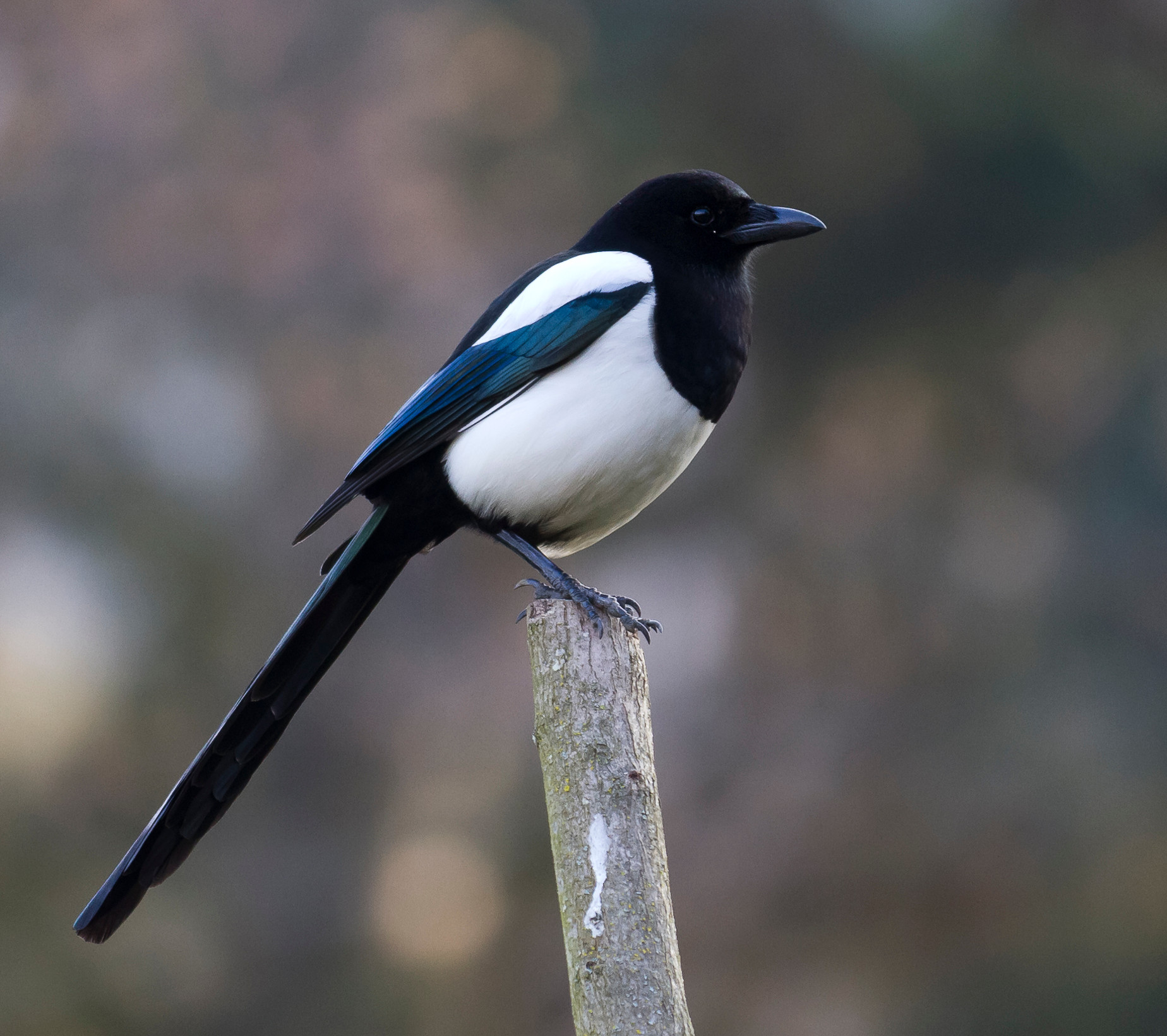
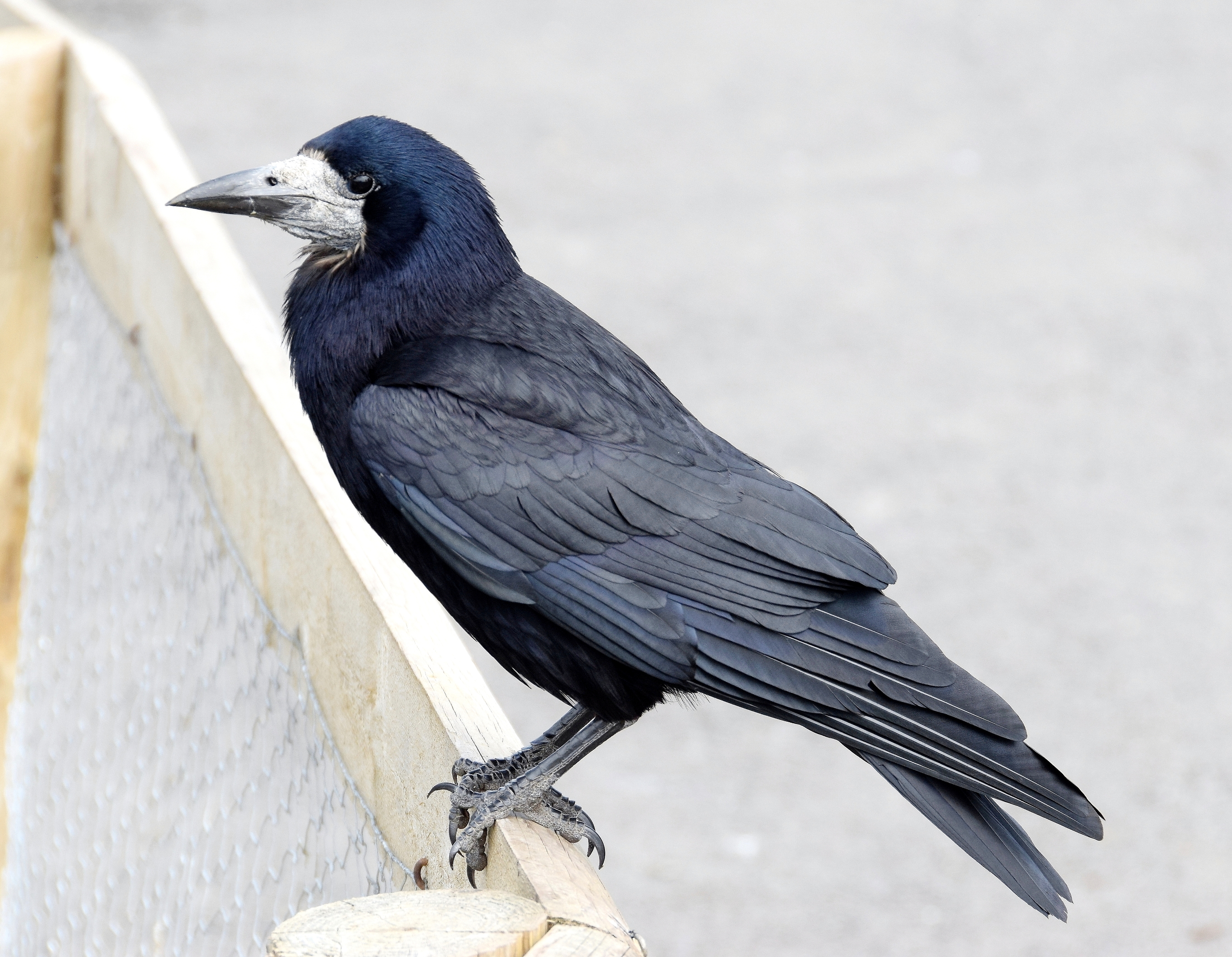





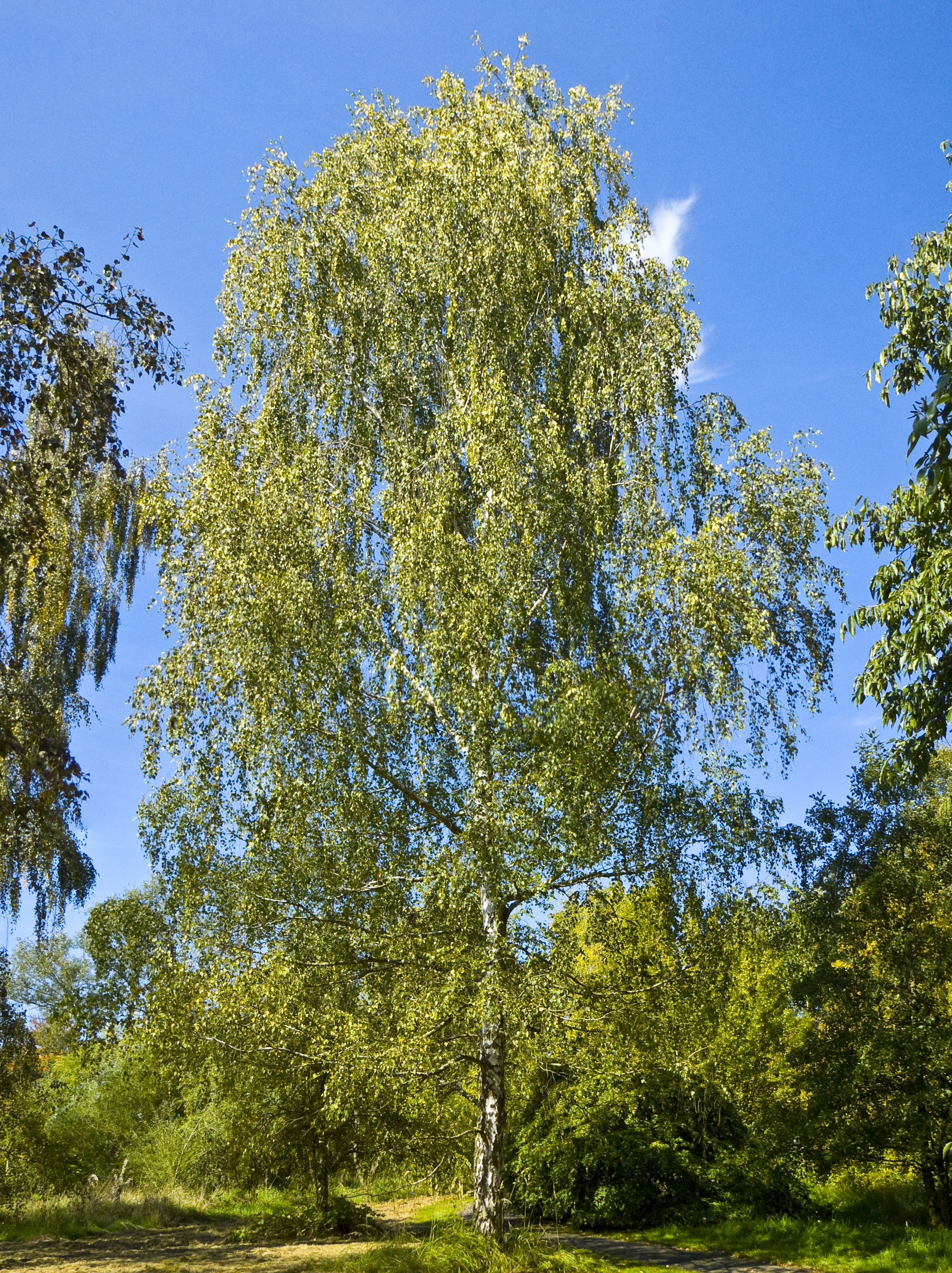

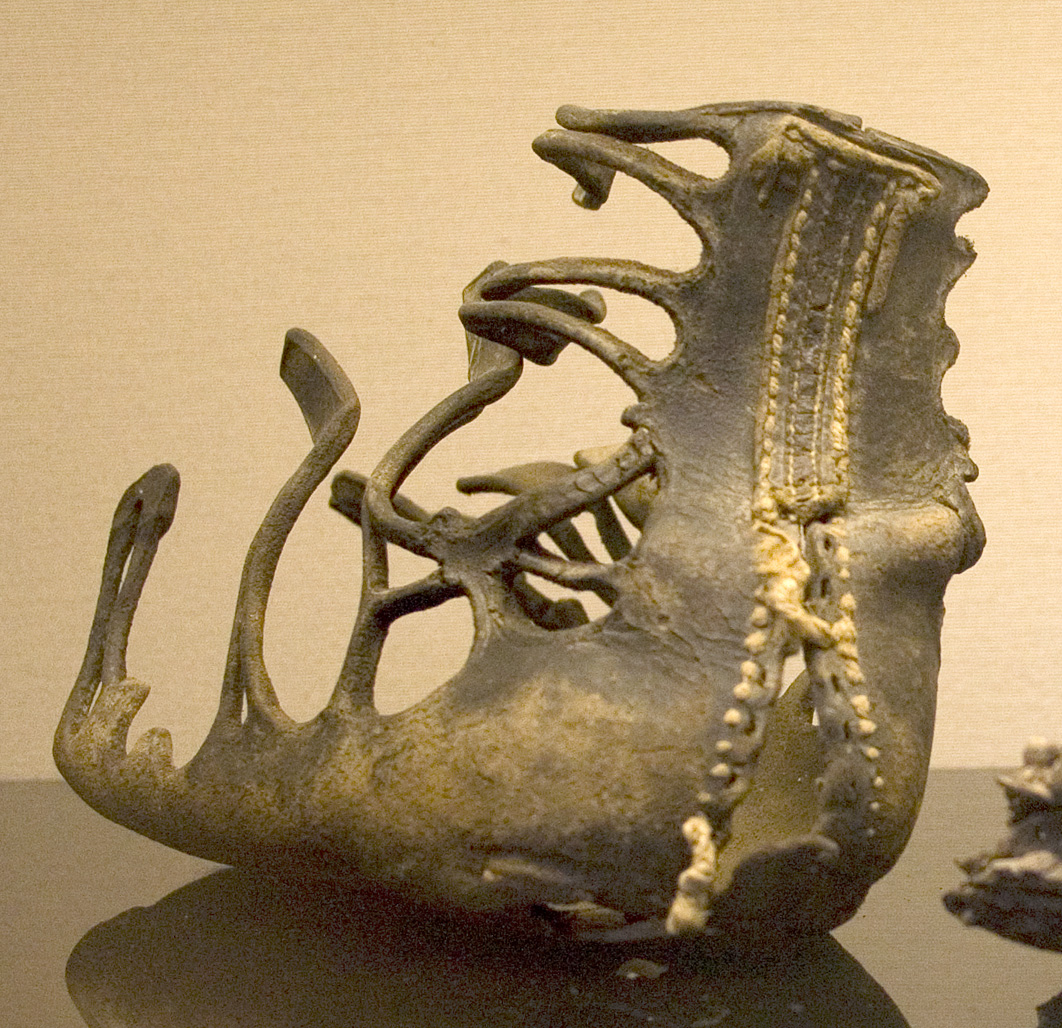





 Также упоминается в главе 12 (R244/E165).




Despite its many oddities, Between Dog and Wolf features a strict, formal structure: eight prose chapters from the perspective of the itinerant grinder Ilya Zynzyrella; five prose chapters that concern the life and thoughts of the dog-keeper Yakov Palamakhterov; four chapters consisting of 36 poems written by Yakov; and a final chapter made up of a single, separate poem, again authored by Yakov. As Alexander Boguslawski writes, the chapters follow this pattern: ABCABACABACABACBAC (“How Sokolov’s” 205). Elena Kravchenko argues that, in opposition to the visual leanings of the chapters associated with Yakov, Ilya’s chapters “may become less impenetrable if received aurally, which will make its language play come ‘alive’. […] The unmistakable focus in Il’ia’s skaz on oral culture — through numerous allusions to fairy tales and epics — and language, especially its aural qualities illuminated through paronomasia, is juxtaposed with the literariness and visuality of the prose and verse fragments” (The Prose 80).