Note X
Over the First Powdered Snow
- The recipes of Gypsy women
- Who are and
- While the are streaming
- .
- But inspectors know and adore—
- For that reason, they never feel blue—
- The sacred strength of ,
- With their thick maroon bottom goo.
- Of this drink, first , then stolen,
- In of their own,
- Many jugs and bottles they’re hauling
- Right over the .
- They bring many tasty provisions:
- Canned goods and sausage, and cheese.
- My inspectors, my rustlers, envision
- That these endless feasts never cease!
- But there brightly sparked as before—
- ’Cause the utter darkness moved far—
- red tar.
- Where do get fat around here?
- Through the scraps of the dogs’ furious baying
- !—that’s all we can hear.
- Co-imbiber! The last gulp, my dear bloke,
- Stash in your flabby cheek and hold there.
- It’s time.
- And in , you whirlwind, whir-whir.
- .
- A was walking around the
-
And .
- And the clouds were revealing God’s face.
- And while sand-covered was choking in dust
-
The held the ice-skating race.
- The Wolf was taught by the hereabout,
- So leaving his lair in the woods,
-
And heal the Dog as he could.
- But thanks to Wolf’s love, in its name,
- From the to the
-
May the sick dogs be healthy and game.
- And in their shabby coats, in the , outbound,
- Not concerned if it is night or day,
- Valiant hunters, making -like chirping sounds,
-
Chased the from the copses away.
- Village folks, but alert and rarely forgive.
- May the Thief still be sick.
- They’ve spied out the place where this fellow lives
-
.
- and that would be all,
- But when winter unleashed ice and snow,
- Between self and Wolf, when sleep takes its toll,
-
The Dog to the Wolf used to go.
- ,
- The blizzard for the cloud ride can’t wait.
- Village folks, mainly loners with nothing to do,
-
Glide on skates with hands on their waists.
- Or to from as far as Bobrov,
- Factory hunters, loudly shouting, “!”
-
Drink, enshaded by the snow-covered groves.
- At last,
- Though his may still feel the pain
- He’s a factory hunter right now.
Note XII
- Confusion—it’s an inevitable fault
- Of clueless philosophers, passions, ages . . .
- What kind of luck made me such a dolt
- That I could not make sense of them all
-
Or rather could, but less and less, in stages?
- And city life, unsettling, hard to follow,
- First, I became a hunter—ordinary,
- But later turned into a binger—merry,
-
With gaze both enlightened and quite hollow.
- I like all months, December up to March,
- Plus April, May and June, July and August,
- And always warms my lonely heart,
- And , whose rosy garb, so smart,
-
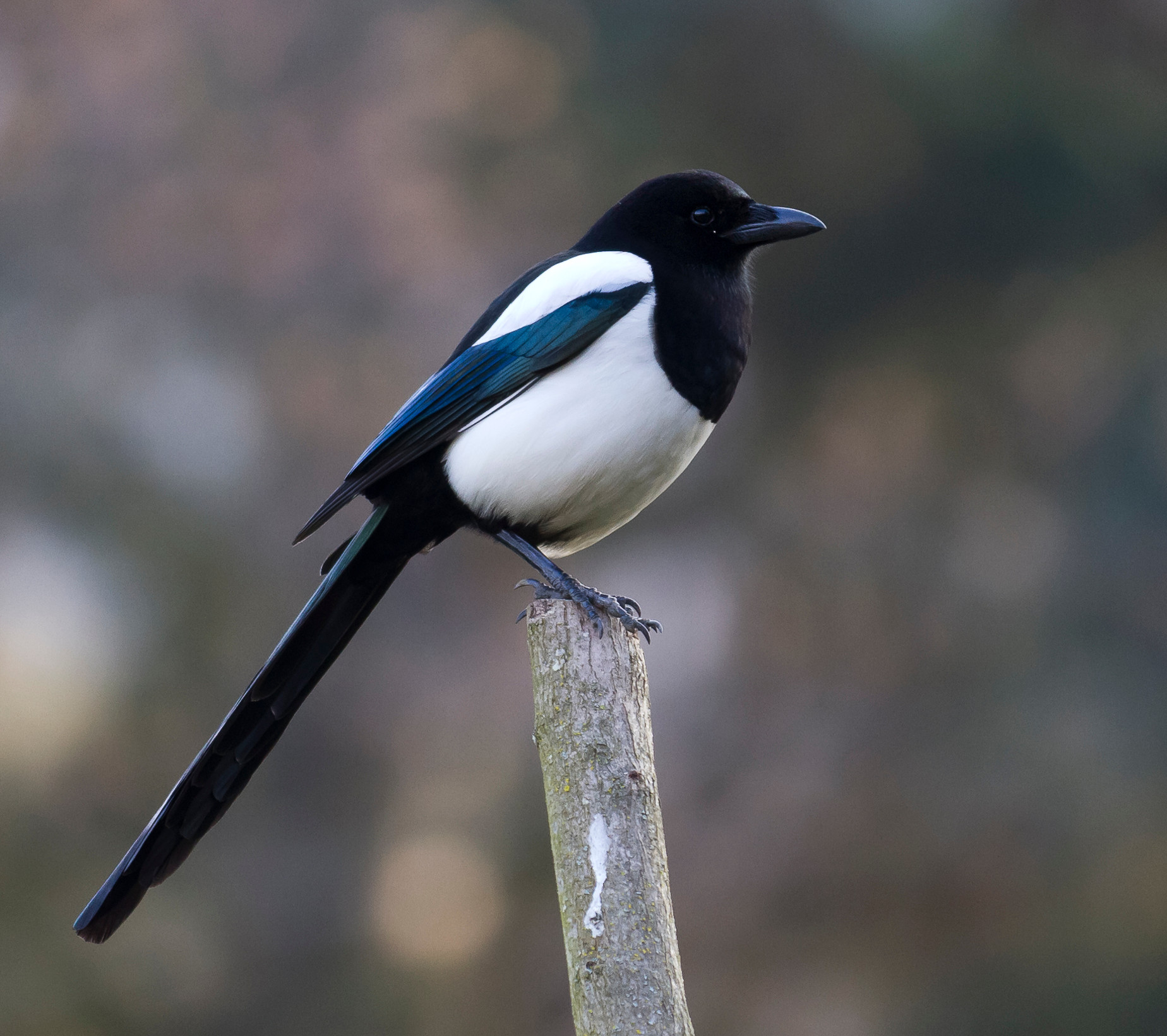
Brings to my mind the famous bird named .
- in my garden stands
- Like emptiness forgotten in a glass.
- The glass, forgotten, on the table stands.
- The table, forgotten, in the garden stands,
-
Forgotten on the winter’s white tray-grass.
- Something Christmasy—and make it andante.
- Cold, with icicles on its lip, today,
- stands here, like ,
- Noticing, really, neither nor .
Note XIII
Dream
- Just before the stars unfold
- From the smoke I’m crying.
- ,
- The dog’s—warmed by fire.
- By the hearth, deep in his lair,
- Cat snores, as he dozes.
- And his , in disrepair,
- Sticking nail exposes.
- And he dreams, this Cat,
- , while snoozing:
- On the bridge sit wolves all set,
- Therefore, he is musing:
- If I were a dog, I’d love
- The Wolf who’s so lonely,
- And if I were a wolf I’d howl
- After the Dog only.
- From a window I’ll look out
- Or glance from another—
- A snow-dusted stands proud
- In the glade snow-smothered.
- Witches chat of times of old
- By the graveyard’s pyre.
- Holy tail—be cold, be cold,
- —warmed by fire.
- And completely
- Is -covered Volga.
- The Dog’s riding in a sleigh,
- Prodding the Wolf onward.
Note XIV
Fishing Under Ice
- Neither the fish live in this river
- Nor the fish in a shoal.
- So why do I, like an
-
With my mouth open by the ice hole?
- Fellow, limp home and better be gone!
- The time for playing has passed.
-
Onto Europe concealed .
- Listen, you , scram or you’ll lose!—
- I held myself in a firm rein.
- Better swallow some , infused
-
Half and half with the .
- Whom is God guiding down over here,
- With a lamp, on ice skates, half bent?
- Well, is near,
-
By the is sent.
- Eh you, , you are no angel,
- Go to hell, you blasted slime!
- What’s your lamp for, you alien stranger,
-
During this somnolent time?
- , you fish bait, did you catch your fill?
- , skedaddle, rock!
- You are a disease, you make the soul ill,
-
been a hundred years .
- He fell through the ice while skating at ,
- And only surfaced after a year.
- In his pocket dominoes as well as a flask,
-
And .
- he came back afloat.
- found him at large.
- They finished the flask, then played ,
-
And informed the folks in charge.
- He took off. Ah, what a deceiver.
- And he used to be a loner first class.
- Neither the fish live in this river,
- Nor the fish, for instance, .
Note XV
Archival
- Oh, I will feel so stuffy
- Filling the dusty shelves
- Of the archival stacks.
- Eh, I’ll be bored to death.
- One day and out of breath
- An archivist will come.
- He’ll start to excavate me,
- My doodles he’ll decipher,
- And dig up in old files
- A ticket to ,
- A petal from some summer,
- And ’mid the other notes,
- This one he’ll find, indeed,
- And ’bout himself he’ll read.
- Ha ha, he’ll laugh, ha ha,
- All through the archive. Rude,
- Unpleasant, and irate,
- A hunter out of date
- And yet astute and shrewd.
- And how excited he’ll be
- With what he had found out.
- While I’ll be gone, away,
- Each week and every day.
- But how eternal I’ll be—
- No present and no past,
- Away from taking chances,
- In crowded circumstances,
- And suffocating dust.
Note XVI
- Like a capitulation flag from a trench.
- Brew me some coffee, my lovely wench,
-
Because this draft is worthy of raves.
- Keep waving, broadcast the news from ,
- This aroma is praised all around,
- With it can always be found,
-
Even when from there is nil.
- By fate we’re so often rebuked
- That we love like the ,
- But aren’t we somebody’s
-
And isn’t ?
- For that reason, though
- That all beauties are easy to flatter,
- I declare that it does not matter
-
Who is mending my coat and my shawl.
- Notwithstanding that no one can
- , I’ll opine:
- Oh, my , you’re so fine,
-
And , you know.
- So I sharpen my penknife, I do:
- Since the is near,
- Having nothing to give you, my dear,
-
A hide I will just for you.
- Brew me now, at the threshold of ,
- Pseudo-coffee that a
- False matchmaker had kindly .
Note XVII
n-painter">
- Buddy!
- A Croatian fit,
- And our own memorial wake
- Or the cabbage soup’s high price
- Often bore us quite a bit,
- Painters like you really need.
- Either you mixed up the features
- And impressions of the past
- Or the picture
- Without glasses you recast.
- Hence
- In old-fashioned and clothes
- Seem to me no less than strange,
- Even more, in panty hose.
- And the deal would not have ended
- With success, as we would like,
- If the hunt we had attended
- Not with but with a pike.
- On which, well seen from this angle,
- Right behind the hunter’s back,
- Hangs the image of a tangled
- , .
- On the things’ established order
- You applied a fancy veil:
- Hunting bags with gold embroidered
- Are at odds with our trails.
- And from three lookers
- Seem too pretty and too neat,
- A plump piglet on the spit.
- And this , master,
- Shaded by the roofs askew,
- Which you tried so hard to muster
- With your brush, palette, and luster,
- It is gone, wrapped in weeds’ cluster.
- But are the same—so shoo!
- Nonetheless—what a great picture,
- Look around you once or twice,
- And admire those bewitching
- Brews of sky, and snow, and ice.
- ,
- The ice skaters’ squealing
- Can be heard from far beyond—
- On the river and the ponds.
- If I were a merchant mogul
- Your oil painting I would buy,
- Hang it o’er my cot to ogle,
- And, forgetting all, I’d lie.
- But because I am a ,
- I will buy me some
- And , but triplei>
- When the drink starts working fine.
- Here’s my : Though glorious,
- It cares not for poor folks’ strife,
- But how lovely’s the notorious
- Vanity of our life.
Note XVIII
of
(A Junkman’s Story)
- There’s a reason for the vagrants to attest:
- Sweet on the Volga are the best.
- But some people just surprise us, when they muse:
- Vodka is the worst of poisons, of no use.
- By this judgment, pardon us, we’re not impressed,
- We, the junk folk, life without it cannot see.
- True, sometimes we in excess,
- But in turn how much transfigured we may be.
- Once from house to house we wandered-tramped,
- Asking people: Help your guests, for goodness sake,
- Bring outside your garbage pile, clean your dump:
- Metal, glass, and even bones we gladly take.
- has fallen. And of course—a fest.
- Freaking bitch, don’t you growl and don’t you bark!
- We set out to see the tailor, ,
- schlepped with us, and it was dark.
- , I meant to say, who was old,
- Broken up, a guy with .
- We are —he’s one far above us all,
- We are —he’s one far above the rest.
- Our owns simply nil,
- Only crutches. And .
- Weather sucks. The bells clamor on the hill,
- And to find a place for slumber fly the .
- They fly straight across the river, scalawags,
- To the town of thieves and beggars for a nap.
- While we’re lugging on a hand sleigh garbage bags—
- Three archangels of recycling the old scrap.
- Ah, I love so much:
- , isn’t it?
- I will also have a smoke; hold the match!
- So, we’re , I repeat.
- clothing for the ,
- Our tailor’s sitting there by candlelight.
- Open up, dear fellow creature, be so kind,
- Welcome us—exhausted merchants—for the night.
- We were sitting by the window, feeling fine,
- Night was turning gray like pants too often washed.
- I forget now, where we finally got the wine,
- But remember—we got very soundly .
- In the morning, we see: learned to !
- Crutches—like a pair of wings he bore.
- He had turned into a , poor old guy.
- Drank too much. And he simply .
X
пороше">По пороше
- Рецептов цыганок,
- Что и
- Под волшебных ,
- .
- Но знает компанья бракеров —
- Не знает унынья —
- Священную силу
- С бордовым осадком на дне.
- Немало хороших
- питья
- Привозят они
- В .
- Привозят закусок —
- Колбасы, консервы, сыры:
- Бракеры мои, браконьеры,
- Да здравствуют наши пиры!
- Но вот загорелась —
- перешла —
- смола.
- Узнать, где жирует ,
- В собачьего лая
- Нам чудится слово .
- ! За дряблую щеку
- Последний глоток заложи —
- Пора уж.
- , , жужжи.
Записка XI
- ,
- .
- Шел ,
-
.
- ,
- И Бог в облаках,
- И в то время как Ливия гибла в пыли,
-
Нидерланды неслись на коньках.
- Волка :
- Покидая глубокий лог,
-
И Собаку лечил чем мог.
- ,
- Но во имя волчьей любви
- От ль реки до реки ли
-
У болезных собак — заживи.
- А по свету в драных плащах,
- Не тревожась — то день иль ,
- Егеря удалые, по-сорочьи треща,
-
выгоняли из рощ.
- Деревенский, однако, народ,
- У -воровки — боли,
- Проследили, где дяденька этот живет,
-
.
- И , , и весь бы сказ,
- Но когда взыграла зима,
- Меж собою и Волком, ,
-
Приходила к Волку сама.
- ,
- Вьюга едет на облаках,
- Деревенский народ, главным образом — ,
-
, катит на коньках.
- От аж — до Быдогощ
- Заводские охотники, : ! —
-
Пьют под сенью оснеженных рощ.
- Как ,
- И, ,
- Заводским охотником стал.
Записка XII
- Неразбериха — неизбывный грех
- Эпох, страстей, философов досужих.
- Какой меня преследовал успех,
- Что я не разбирался в них во всех,
-
Вернее, разбирался, но все хуже.
- И город неспокойный,
- Я сделался охотником простым,
- А уж затем заделался запойным,
-
Со взором просветленным и пустым.
- Люблю декабрь, январь, февраль и март,
- Апрель и май, июнь, июль и август,
- И я всегда сердечно рад,
- И , чей розовый наряд
-
на ум приводит .
- в саду моем стоит.
- Как пустота, забытая в сосуде.
- А тот, забытый, на столе стоит.
- А стол, забытый, во саду стоит.
-
Забытом же зимы на белом блюде.
- Рождественское что-нибудь, анданте.
- Холодная, с на губе,
- Стоит , как ,
- Не замечая, в сущности, ни .
Записка XIII
сон
- Накануне первых звезд
- От угара плачу —
- ,
- Грейся, хвост собачий.
- Кот у очага
- И храпит немного,
- Из худого
- Вылезает коготь.
- Снится этому :
- Сидят волки на мосту,
- И Кот рассуждает:
- Если б я Собака был,
- Я любил бы Волка,
- Ну а если б волком выл,
- По Собаке б только.
- Погляжу ли из окна,
- Из другого ль гляну —
- Вся в снегу стоит
- На снегу поляны.
- Идут ведьмы на ,
- О своем :
- Мерзни, мерзни, святый хвост,
- Грейся, .
- И совсем уже
- Волга,
- Едет Пес по ней в санях,
- Погоняя Волка.
Записка XIV
Подледный лов
- Ни рыбы- в реке не живут,
- Ни рыба-.
- Чего ж я, как рыба-, тут
-
над прорубью рот.
- А ты бы, , домой хромал,
- —
- бахрома
-
.
- ,
- Отбрил я себя сам,
- Не лепо ли хватить
-
С пополам.
- Кого это там еще Бог дает —
- С лампою, на коньках...
- Никак идет,
-
шлет .
- Ну ,
- ,
- На кой тебе лампа, чуж-,
-
В дремучие эти поры?
- , мормышка, поймал ?
- , ,
- Ты есть , души,
-
Батрутдинов сто лет как .
- Упал в промоину, катясь в кино,
- И хоть выплыл, да через год:
- В карманах и домино,
-
И трачен рыбами рот.
- Выловили — —
- Дед -дед.
- распили,
-
И вызвали кого след.
- Умчался. Право, такой стал плут.
- А был — честнейший .
- Ни рыбы- в реке не живут,
- Ни рыба, к примеру, .
Записка XV
Архивная
- О, как мне душно будет
- Когда-нибудь в пыли
- Архива, его полок,
- Эх, скушно будет мне.
- Однажды и в
- Нагрянет архивист.
- Во мне он станет рыться,
- Копаться, разбираться
- В каракулях — найдет:
- Рисунок и портрет,
- В билет,
- И среди остальных —
- Записку эту вот
- И о себе прочтет.
- И он смеяться станет:
- Ха-ха, на весь архив,
- Охотник архаичен,
- Беда как неприличен,
- Однако прозорлив.
- И как он счастлив будет
- Находкою своей.
- А я-то уж не буду
- Ни в праздники, ни в будни,
- Но как мне вечно будет
- От времени вдали,
- Вдали от обязательств,
- В обстоятельств,
- В удушливой пыли!
Записка XVI
- Словно капитулянтский флажок.
- Нацеди кофейку, мой дружок,
-
Восхитителен этот навар.
- Повевай, про весть —
- Аромат, что воспет.
- Не беда, что нет,
-
Хорошо хоть с есть.
- Нас балýет так мало судьба,
- Что и рад, как ,
- Ведь не сами ль мы чей-то
-
И не .
- , невзирая на то
- Что прекрасных полно,
-
Кто мне штопает шарф иль пальто.
- Оттого, хоть
- Лисьей шубы, скажу не тая:
- Ты прекрасна, моя;
-
А портрет — так .
- вострю:
- Близок твоего,
- Подарить не имея чего,
-
Шкуру тебе .
- Завари же
- Полувечером, мнимозимой
- Псевдокофий, что
- Квазимодною .
Записка XVII
му-живописцу">
- !
- Из Хорватии тесна,
- И как собственная
- Или щей дороговизна
- нам скучна,
- Вам, художникам, нужна.
- То ли спутал ты, дружище,
- Впечатленья от веков,
- То ль писал ты
- Совершенно без очков.
- ловчие в кафтанах
- И немодных
- Мне по крайней мере странны,
- А тем более — в чулках.
- И
- Ни добром и ни бобром,
- Если выйдем мы в облаву
- Не с , а с багром.
- На котором, между прочим,
- За спиною у стрелка
- Все качается, всклокочен,
- Образ волка-.
- Обстоятельства же наши
- Ты , словно гроб:
- Сторонятся здешних троп.
- И чресчур благообразны
- Три красотки ,
- Поросенка на костре.
- Мастер мой, та
- В осененье острых крыш,
- О которой всей палитрой
- Ты столь искренно скорбишь,
- Перешла, ,
- Но те же; !
- Тем не мене — взор пирует,
- Кинь его туда, сюда:
- Приворотное чарует
- Зелье неба, снега, льда.
- Конькобежцев визг щенячий
- Раздается вдалеке —
- На прудах и на реке.
- Был бы я купец какой-то,
- Полотно б скорей купил
Записка XVIII
(Рассказ утильщика)
- Нет, недаром все твердят,
- Что по Волге нет грибов милей ,
- И напрасно это люди говорят,
- Что — неполезный очень яд.
- Это мненье, извиняюсь, ерунда,
- Нам, утильщикам, без этого — никак.
- Натурально, примешь иногда,
- Но зато преображаешься-то как.
- Раз бродили-побирались по дворам,
- Выручайте, Христа ради-ка, гостей,
- Выносите и прочий хлам,
- Железяки, стеклотару и костей.
- Пали , и ,
- Не бреши ты, сука драная, не лай.
- Мы направились к портному на ,
- А с нами был тогда .
- С нами был, говорю, ,
- , человек.
- Мы — , он — ,
- Мы — , он — .
- Нет у ,
- Лишь костылики. И .
- Непогода. И галдят колокола,
- И летят куда-то на ночлег.
- А летят они, , за ,
- В , в город нищих и ворья,
- А мы тащим на салазочках ,
- Три архангела вторичного старья.
- :
- .
- Не гаси, пожалуй, тоже .
- , повторяю, на .
- А при свечах уже сидит,
- одежку для .
- Отворяй давай, коллега-,
- Привечай уж на ночь глядя .
- Как засели дружелюбно у окна,
- Ночь серела — что застираны .
- Не припомню, где добыли мы вина,
- Помню только — .
- Утром смотрим — :
- Костыли — как два крыла над головой.
- Обратился, бедолага, в :
- Перепил. И
















Despite its many oddities, Between Dog and Wolf features a strict, formal structure: eight prose chapters from the perspective of the itinerant grinder Ilya Zynzyrella; five prose chapters that concern the life and thoughts of the dog-keeper Yakov Palamakhterov; four chapters consisting of 36 poems written by Yakov; and a final chapter made up of a single, separate poem, again authored by Yakov. As Alexander Boguslawski writes, the chapters follow this pattern: ABCABACABACABACBAC (“How Sokolov’s” 205). Sergei Orobii suggests that “in the novel Between Dog and Wolf, the principle that will become the cornerstone for determining the root affiliation of Sokolov’s texts of the 2000s is mastered: prose is replaced with ease by poetry, or even merges with it. Such a narrative maneuver, of course, originates not in the plot, but in the field of language: considering that the Russian literary language has ‘worn out’ from constant use and has lost all expressiveness, the writer tries to get away from the usual linguistic norms and constructs a unique style, which becomes the driving force of the narrative. Here, the boundaries between replicas, between direct and indirect speech, between chatter and quotation are fundamentally blurred” (299).